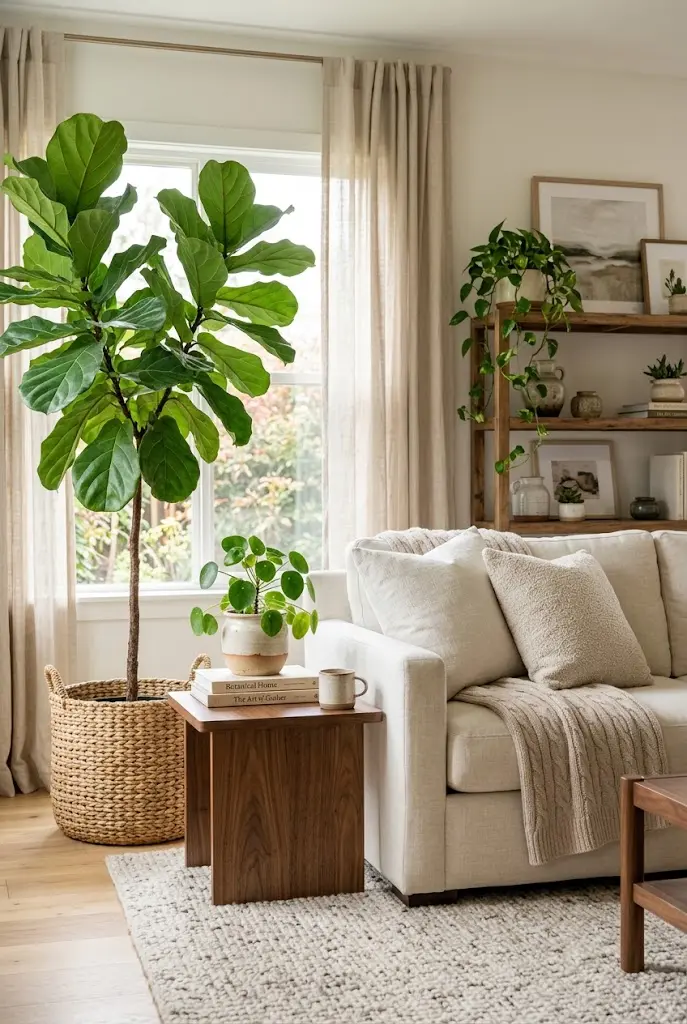
21 Feng Shui Decorating Tips to Create Better Energy in Every Room
Your home should feel like a place where you can relax, recharge, and feel completely at ease. Feng Shui decorating offers simple ways to create a more balanced and intentional atmosphere without completely redesigning your home. From arranging furniture to choosing calming colors and bringing nature indoors, small changes can make a room feel noticeably more welcoming. You do not need expensive furniture or a dramatic makeover to embrace these ideas. The key is creating spaces that feel open, comfortable, organized, and connected to the people who live there. These Feng Shui decorating tips can help you refresh every room while creating a peaceful, stylish environment you will love spending time in.
Keep the Entryway Open and Welcoming
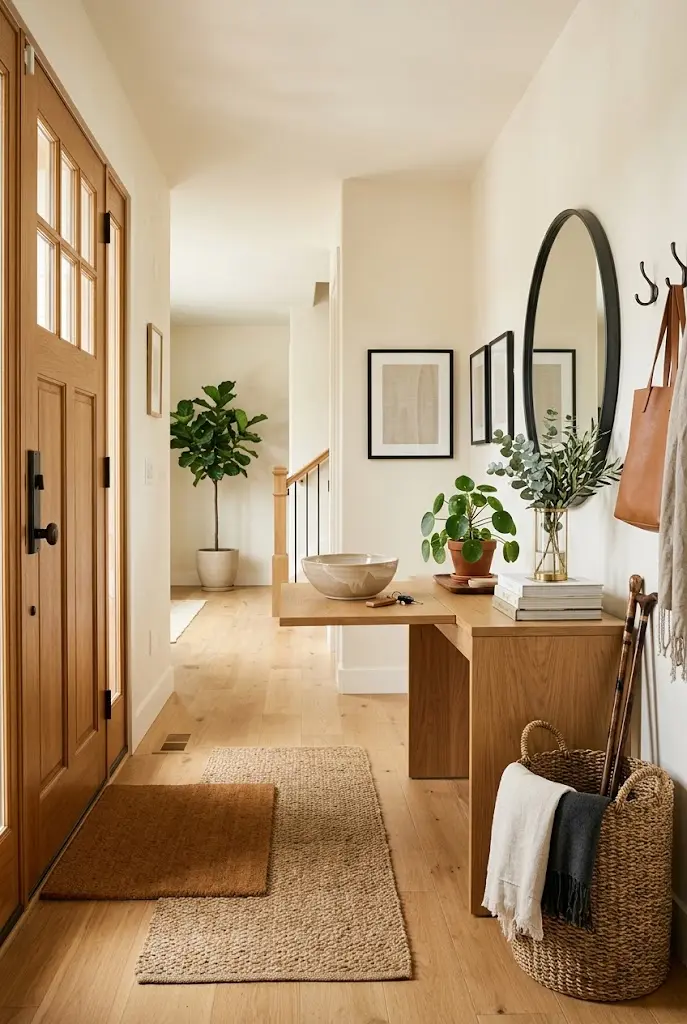
The entryway sets the tone for the entire home, so keeping it clean, open, and welcoming is one of the simplest Feng Shui decorating tips to try. Remove shoes, bags, mail, and other items that tend to collect near the front door. Add a slim console table, a small bowl for keys, or a simple piece of artwork to create an intentional focal point. A mirror can make a narrow entry feel brighter, although placing it directly opposite the front door is traditionally avoided in Feng Shui. Soft lighting and a healthy plant can add warmth without making the area feel crowded. Choose natural materials such as wood, woven baskets, or stone accents for a grounded look. The goal is to make walking through the front door feel calm rather than chaotic.
Arrange Living Room Furniture for Easy Conversation

Furniture placement can dramatically affect how comfortable and balanced a living room feels. Instead of pushing every piece against the walls, create a natural arrangement that allows people to face one another and move easily around the room. A sofa can serve as the main anchor while two chairs or accent seats create a conversational area. Keep pathways open so the room does not feel blocked or cramped. A large area rug can visually connect the seating pieces and make the room feel more cohesive. Choose a sturdy coffee table with comfortable spacing around it rather than filling the center with unnecessary objects. This approach combines practical interior design with Feng Shui principles by encouraging openness, connection, and comfortable movement.
Bring Natural Light Into Your Spaces
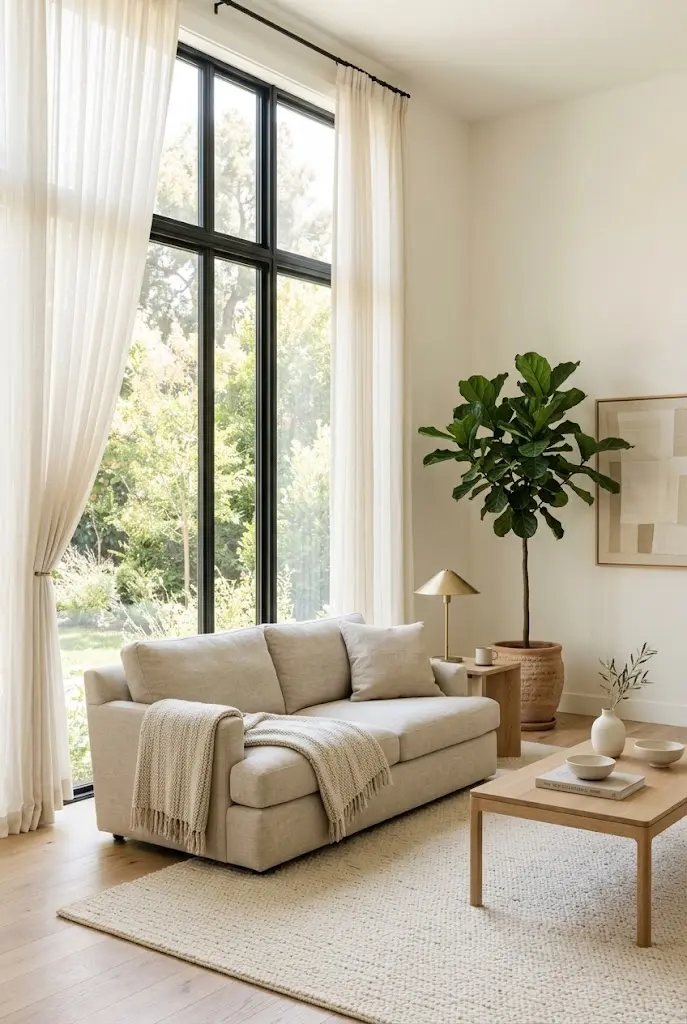
Natural light can make almost any room feel brighter, more spacious, and more uplifting. Keep windows as unobstructed as possible and choose lightweight curtains that allow daylight to filter through. Instead of covering windows with heavy fabrics all day, use adjustable shades or curtains that can be opened fully during daylight hours. Place reflective but subtle surfaces nearby, such as a light-colored rug, pale wood furniture, or a ceramic accent, to help distribute brightness. Avoid filling the area around windows with bulky furniture or excessive decorations. Natural light works especially well with soft neutral colors and natural textures. Creating a brighter environment can make your home feel fresh and energetic while maintaining a calm visual balance.
Add Healthy Green Plants
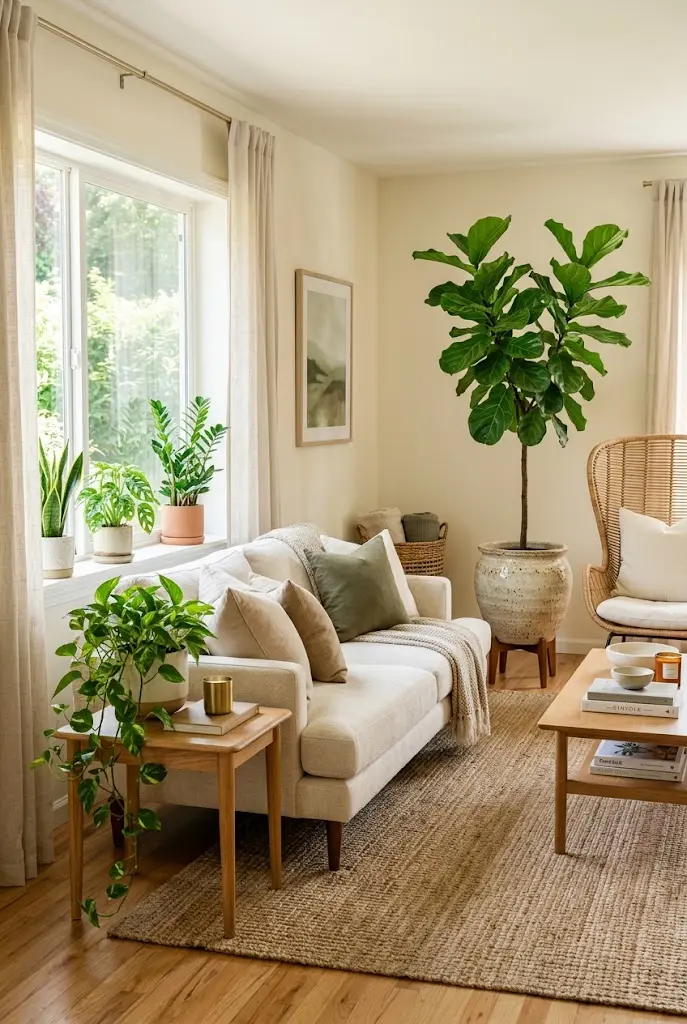
Plants are an easy way to introduce natural elements into your decorating scheme while making a room feel more alive. Choose healthy plants with lush leaves and place them where they receive the appropriate amount of light. A tall plant can soften an empty corner, while a smaller plant can add life to a bookshelf or side table. Avoid filling every surface with greenery because too many objects can make a room feel visually busy. Attractive ceramic, stone, or natural-fiber planters can also complement your existing decor. Consider plants such as pothos, snake plants, rubber plants, or other varieties that suit your home’s lighting conditions. Regularly remove dead leaves and keep the plants looking healthy for a cleaner, more intentional appearance.
Choose Calming Colors for Bedrooms

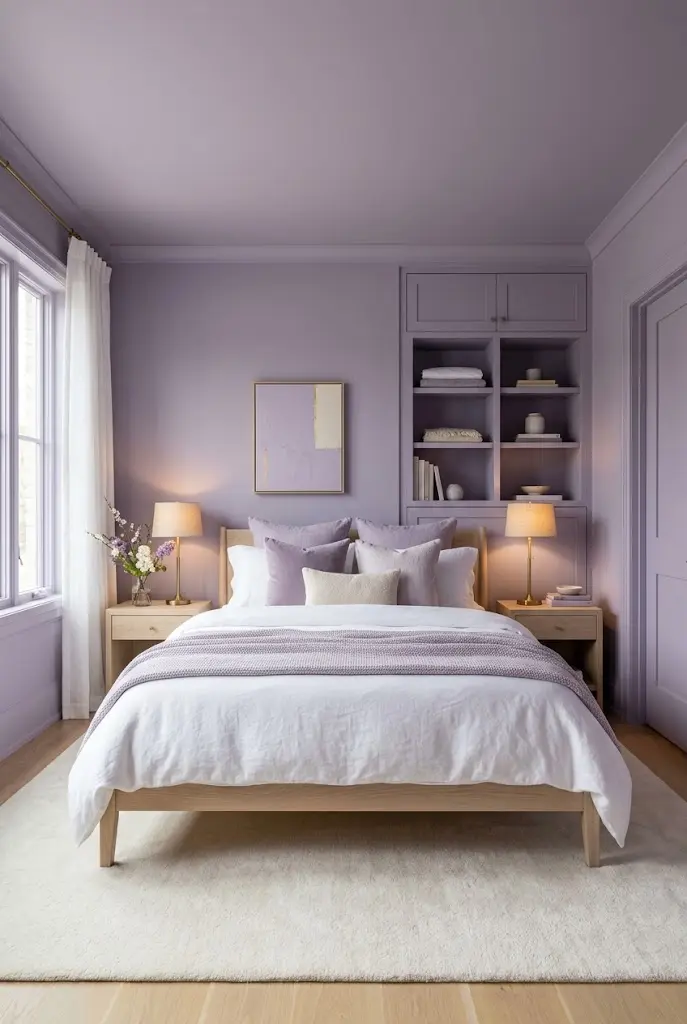
A bedroom should feel restful rather than overstimulating, making soothing colors an excellent choice for the walls, bedding, and accessories. Soft beige, warm white, muted green, dusty blue, and gentle taupe can create a relaxed visual environment. You do not have to make the entire room one color; instead, layer complementary shades through bedding, curtains, rugs, and artwork. Keep extremely bright or overly saturated colors to smaller decorative accents if you enjoy them. Natural materials such as linen, cotton, wood, and woven fibers can make the room feel even more comfortable. A restrained color palette also helps the bedroom look more cohesive and timeless. Focus on creating a space that feels quiet and comfortable when you walk in.
Position Your Bed in a Strong, Comfortable Location

Bed placement is an important part of creating a bedroom that feels secure and restful. When possible, position the bed so you can see the bedroom entrance without placing the bed directly in line with the doorway. A solid headboard can create a sense of stability and give the bed a strong visual anchor. Try to leave comfortable space around both sides of the bed rather than squeezing it into a corner. Matching or balanced nightstands can create visual symmetry, although they do not have to be identical. Keep the area beneath and around the bed relatively clear to maintain an uncluttered appearance. These practical adjustments can make the bedroom feel more intentional while supporting a peaceful nighttime environment.
Declutter Your Home One Surface at a Time
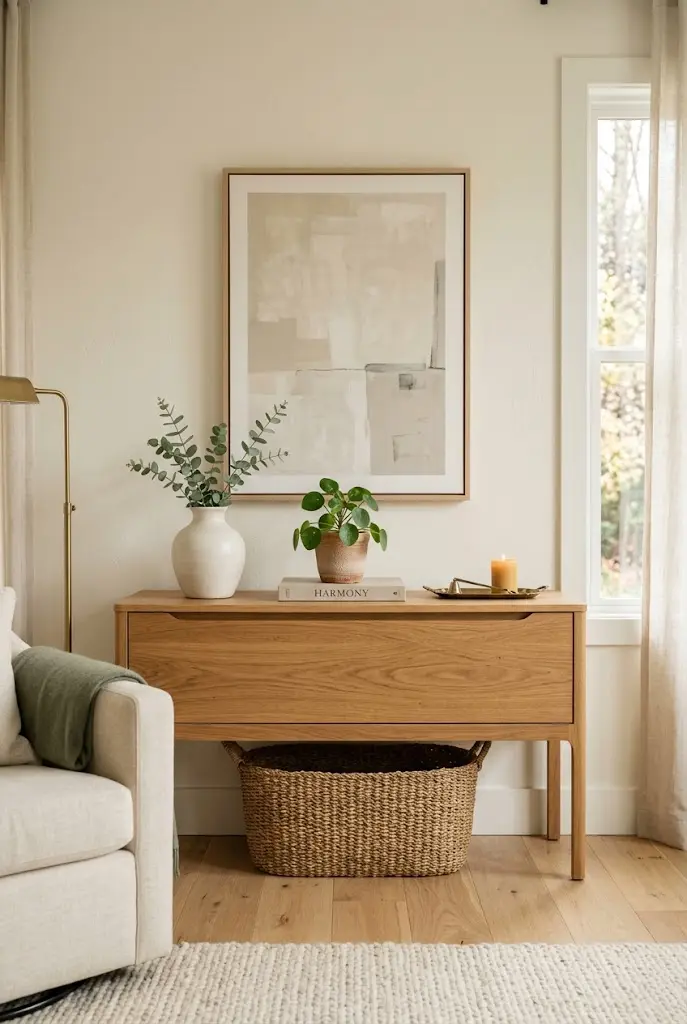
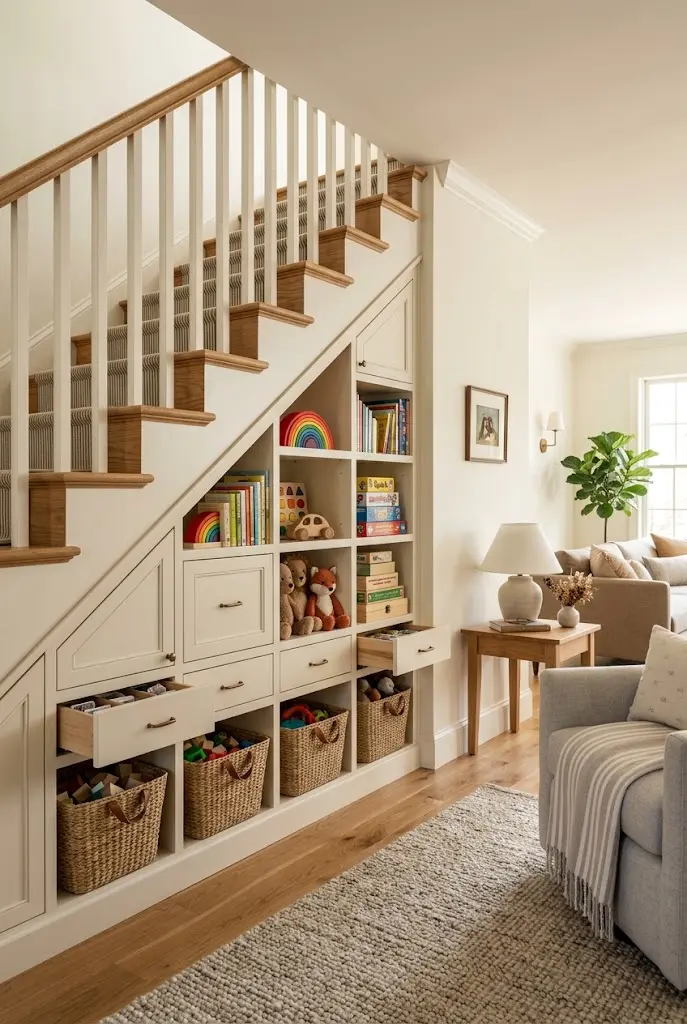
Decluttering is one of the easiest ways to make Feng Shui decorating feel practical rather than complicated. Start with one surface, such as a kitchen counter, coffee table, dresser, or bathroom vanity, instead of trying to organize the entire home in one afternoon. Remove anything you no longer use, then return only the objects that serve a purpose or genuinely make you happy. Use attractive baskets and trays to organize small items without hiding everything behind closed doors. Leave some empty space because completely filling shelves and tables can make a room feel visually heavy. Once one area feels calm, move to the next. A home with intentional breathing room often feels more peaceful and easier to maintain.
Use Mirrors Thoughtfully
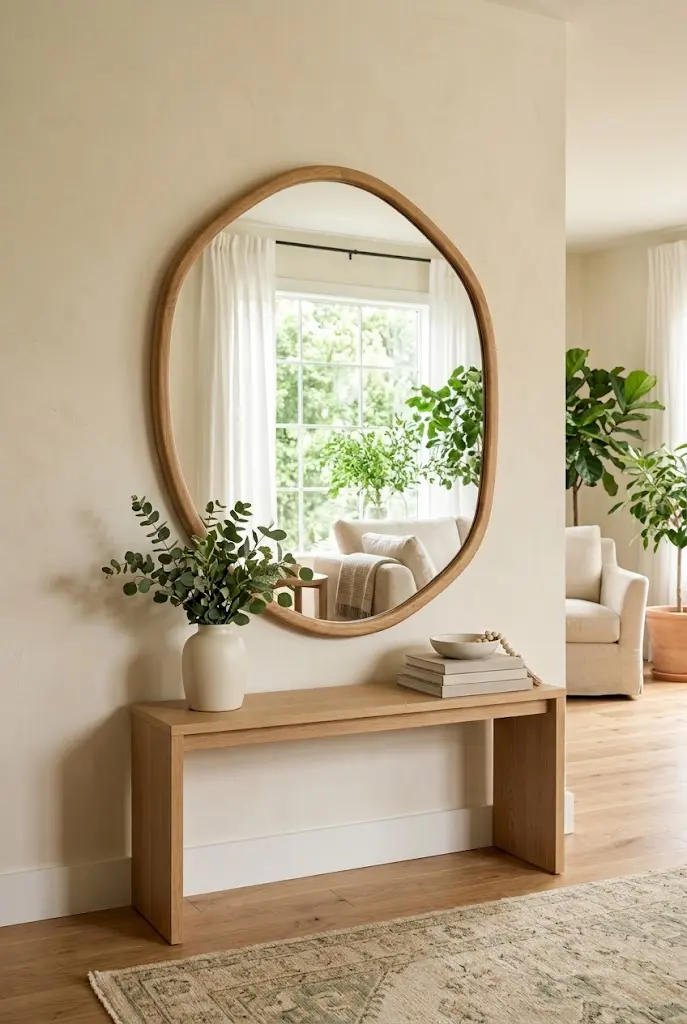
Mirrors can make a room appear brighter and more spacious, but thoughtful placement is important when using them in a Feng Shui-inspired home. Instead of automatically placing a mirror wherever there is an empty wall, consider what it reflects. A mirror can beautifully reflect natural light, greenery, artwork, or an attractive architectural feature. Avoid using mirrors to reflect clutter, messy storage, or visually distracting areas. In a bedroom, many people prefer to avoid large mirrors facing the bed because they can feel visually active in a space intended for rest. Choose a mirror with a frame that complements your furniture and keep the surrounding wall relatively simple. The result should feel intentional rather than decorative for decoration’s sake.
Incorporate Natural Wood and Organic Materials
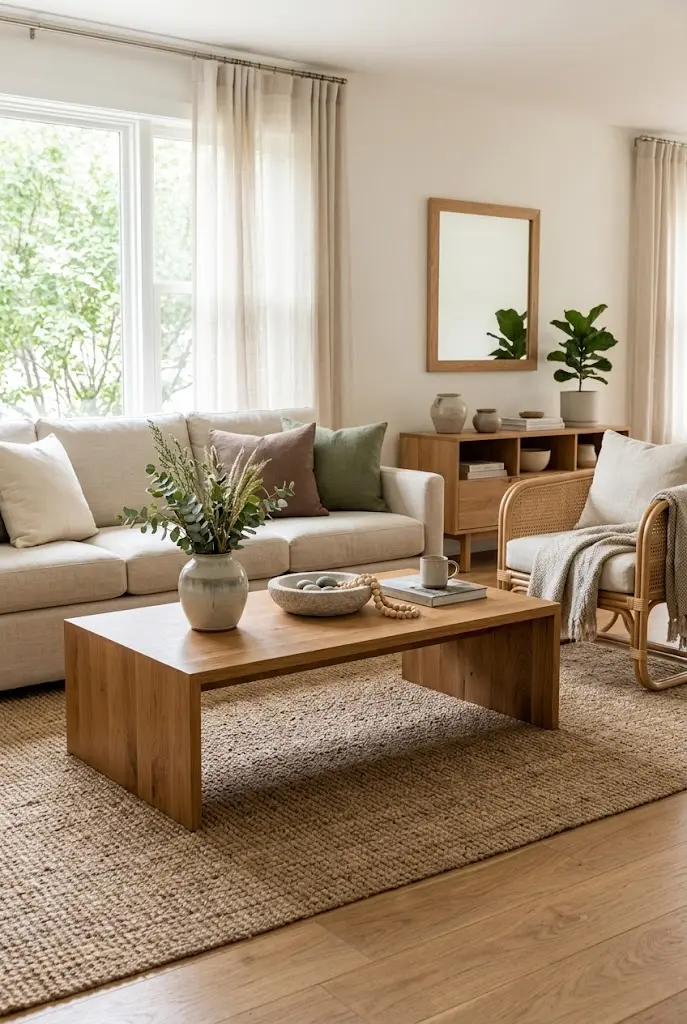
Natural materials can add warmth and grounding qualities to a room while making the decor feel less artificial. Introduce wood through furniture, shelving, picture frames, stools, or decorative trays. Complement it with cotton, linen, wool, rattan, jute, stone, ceramic, or other tactile materials. You do not need to redesign the entire room; replacing a few synthetic-looking accessories with natural alternatives can make a noticeable difference. A wooden coffee table paired with a woven rug and linen cushions creates layers without overwhelming the space. Choose finishes that coordinate rather than matching every piece perfectly. The combination of varied textures can make a neutral room feel rich, comfortable, and welcoming.
Create a Balanced Dining Table
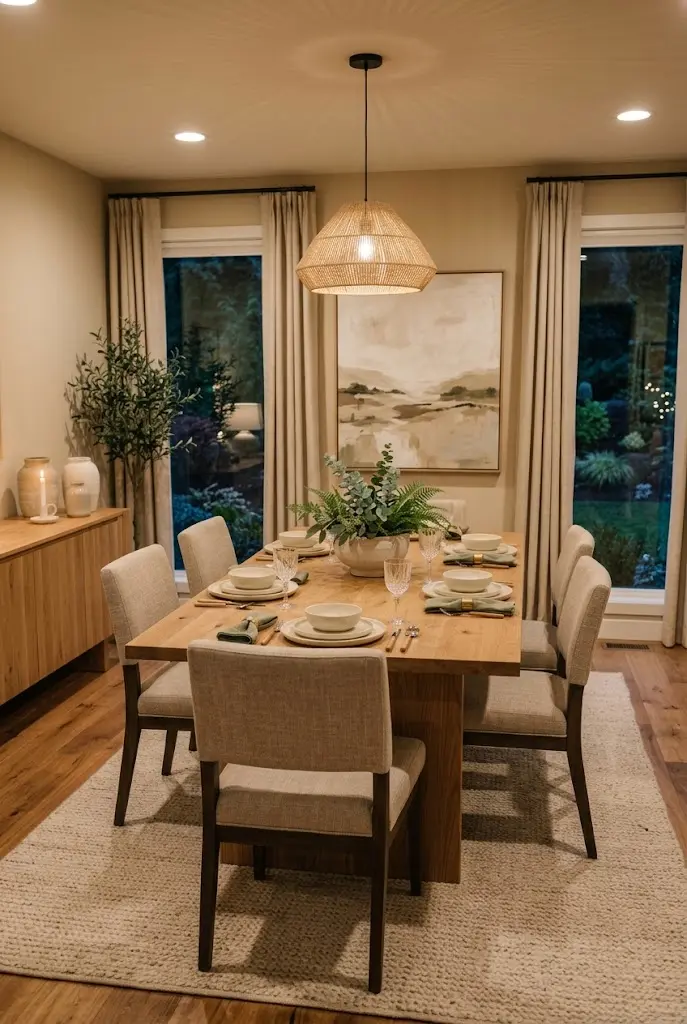
The dining table is a gathering point, so keeping it balanced and inviting can make the room feel more harmonious. Avoid turning the table into permanent storage for mail, electronics, paperwork, or miscellaneous items. Instead, create a simple centerpiece using natural greenery, a ceramic bowl, fresh flowers, or a low arrangement that does not block conversation. Round or softly shaped decorative pieces can help create a relaxed visual flow. Keep enough open table space for everyday meals rather than designing only for special occasions. Choose comfortable chairs and make sure the surrounding walking space is clear. A clean, welcoming dining area encourages people to slow down, share meals, and spend time together.
Make Your Kitchen Counters Feel Clear and Functional
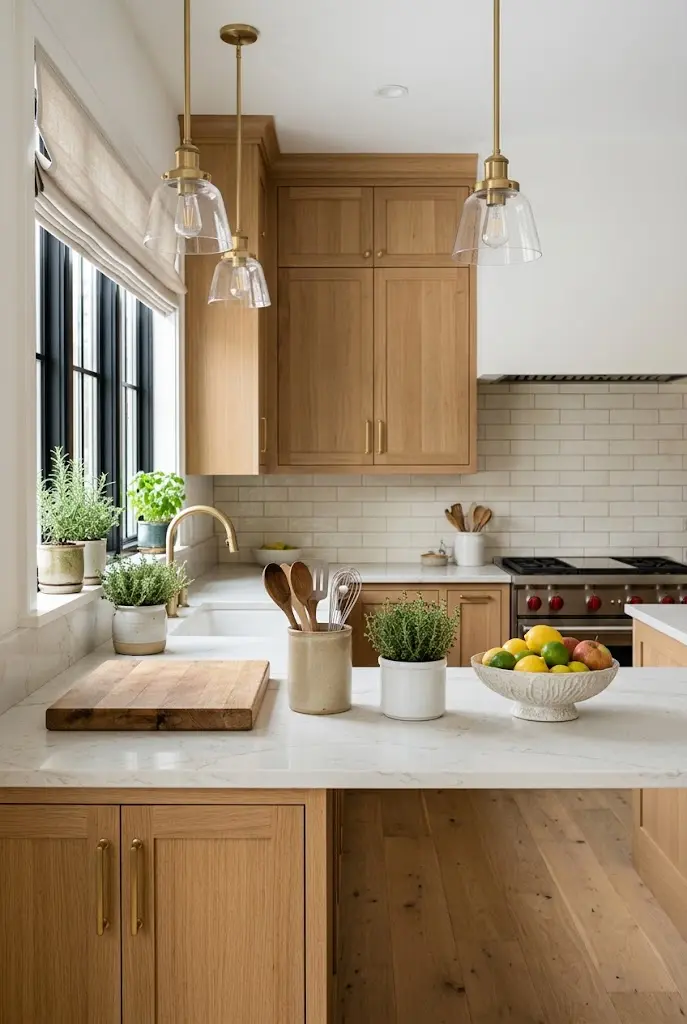
A cluttered kitchen can quickly make the entire home feel chaotic, especially when countertops become storage zones. Keep the items you use every day accessible, but consider putting away appliances and tools that are rarely needed. Use a wooden cutting board, ceramic utensil holder, or woven container to add warmth while keeping practical items organized. Group similar objects together instead of scattering them across the counter. Fresh herbs or a small plant can introduce a natural element without taking up much space. Clean surfaces also make the kitchen easier to use and maintain. The goal is not an empty showroom kitchen but a functional space where everything has a logical place.
Add Soft and Layered Lighting
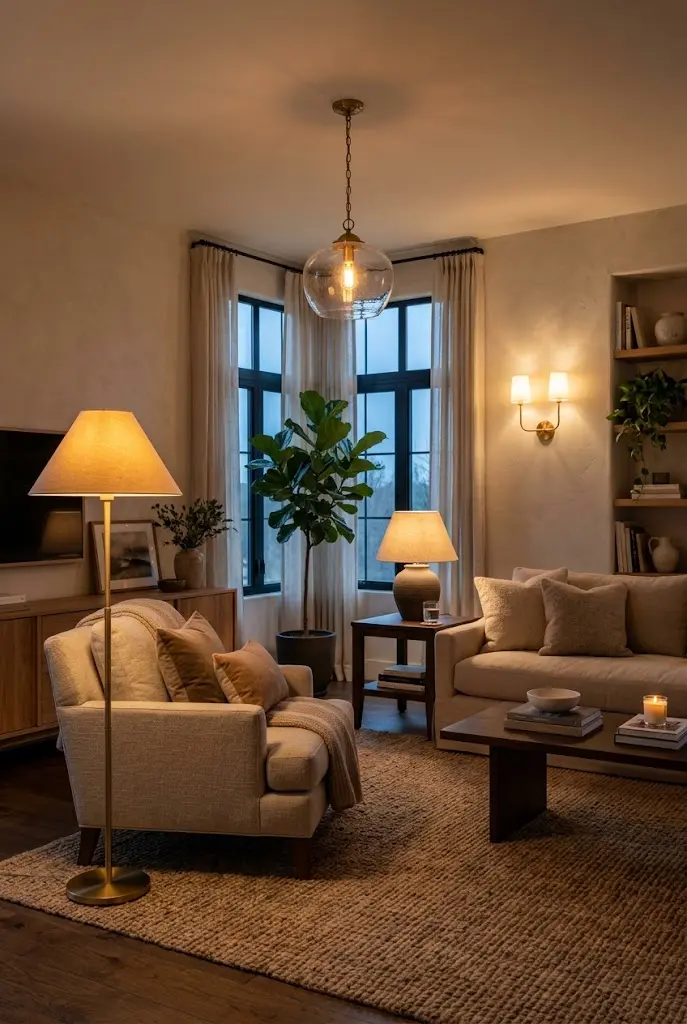
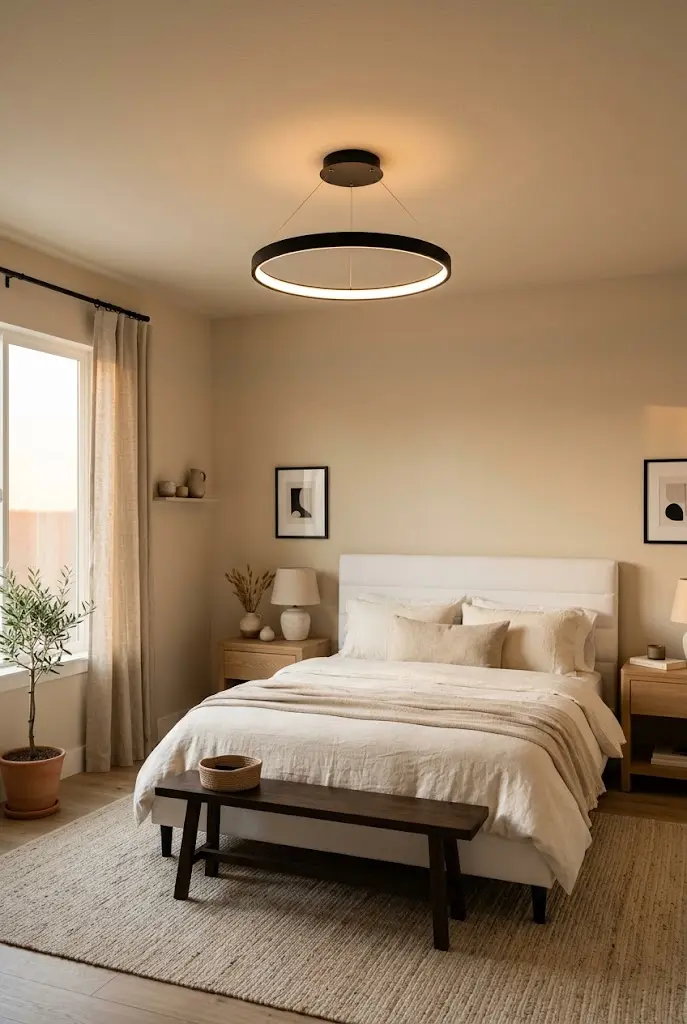
Lighting has a major influence on how a room feels, especially after sunset. Rather than relying on one bright overhead fixture, create layers with table lamps, floor lamps, sconces, and soft accent lighting. Warm bulbs can make living rooms and bedrooms feel more comfortable and intimate. Place lamps near reading chairs, beside sofas, and on nightstands where focused light is useful. Decorative fixtures can also become beautiful design features without overwhelming the room. Use dimmers when possible so you can adjust the atmosphere throughout the day. A layered lighting plan makes a space feel more flexible and can support both everyday activities and relaxing evenings.
Keep Hallways and Walkways Unobstructed
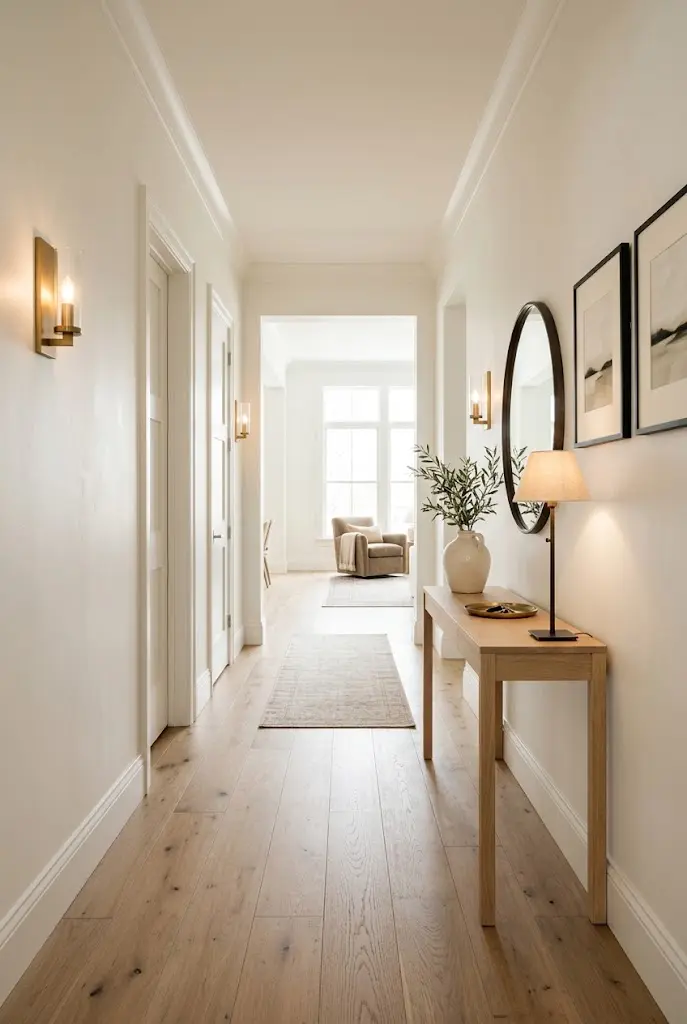
Open pathways help a home feel easier to navigate and visually less stressful. Look at the routes you naturally take from one room to another and remove furniture, baskets, boxes, and decorative objects that interfere with movement. If a hallway feels narrow, choose slim furniture and wall-mounted solutions rather than bulky pieces. Keep rugs positioned securely and avoid creating awkward obstacles near doorways. Good lighting is also important, especially in darker hallways. You can add personality with artwork or a narrow console without sacrificing walking space. This simple adjustment is both practical and consistent with the Feng Shui idea of allowing energy and movement to flow naturally through the home.
Choose Artwork That Creates a Peaceful Mood

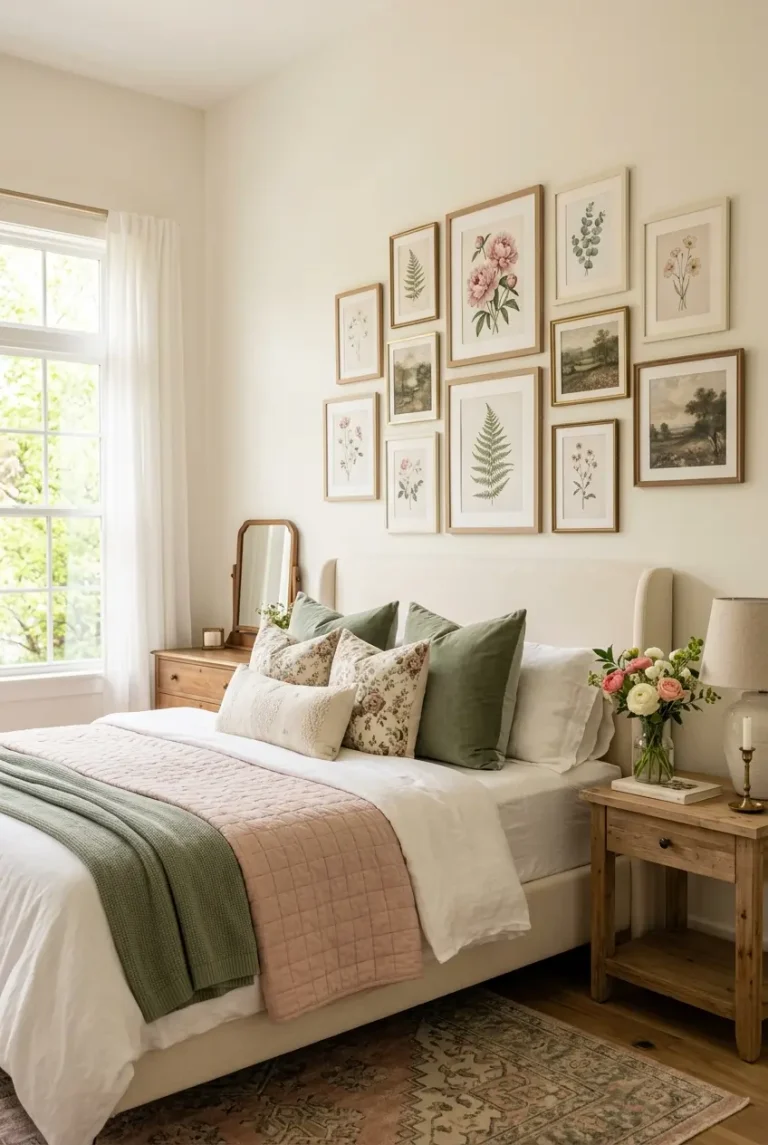
Artwork can influence the emotional atmosphere of a room, so choose pieces that genuinely make the space feel good to you. Landscapes, botanical prints, abstract forms, and calming photography can work beautifully in bedrooms and living areas. Avoid filling every available wall with art simply because the space is empty. One large statement piece can often create more visual impact than several unrelated small prints. Consider colors that coordinate with your room rather than competing with the furniture and textiles. Hang artwork at a comfortable viewing height and leave enough surrounding wall space for it to breathe. The best choice is artwork that feels meaningful, beautiful, and appropriate for the purpose of the room.
Use Rounded Shapes for a Softer Feel
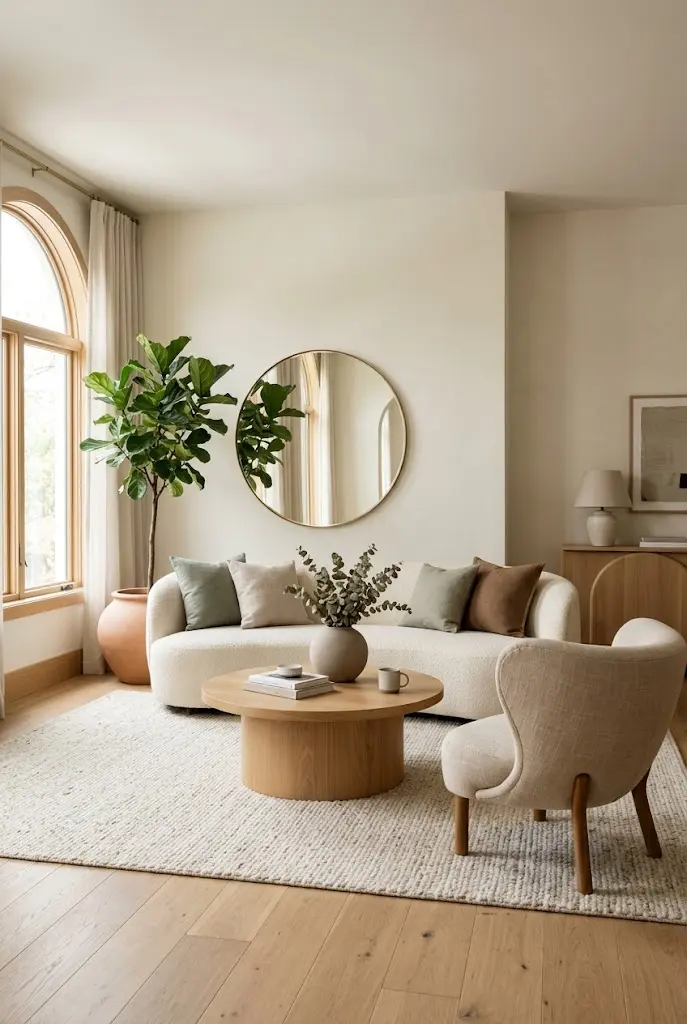
Rounded furniture and decorative forms can soften a room filled with straight architectural lines. Consider a round coffee table, curved accent chair, circular mirror, arched lamp, or rounded ceramic vase. These shapes can make a space feel more relaxed and approachable while adding visual variety. You do not need to replace every square item in the room; introducing one or two curved pieces can be enough. Pair rounded forms with natural materials such as wood, linen, wool, and stone for an organic appearance. A curved sofa or oval dining table can also improve movement around furniture by reducing sharp corners. This decorating approach creates a gentle, contemporary look while fitting naturally into a balanced home.
Create a Calm and Organized Home Office
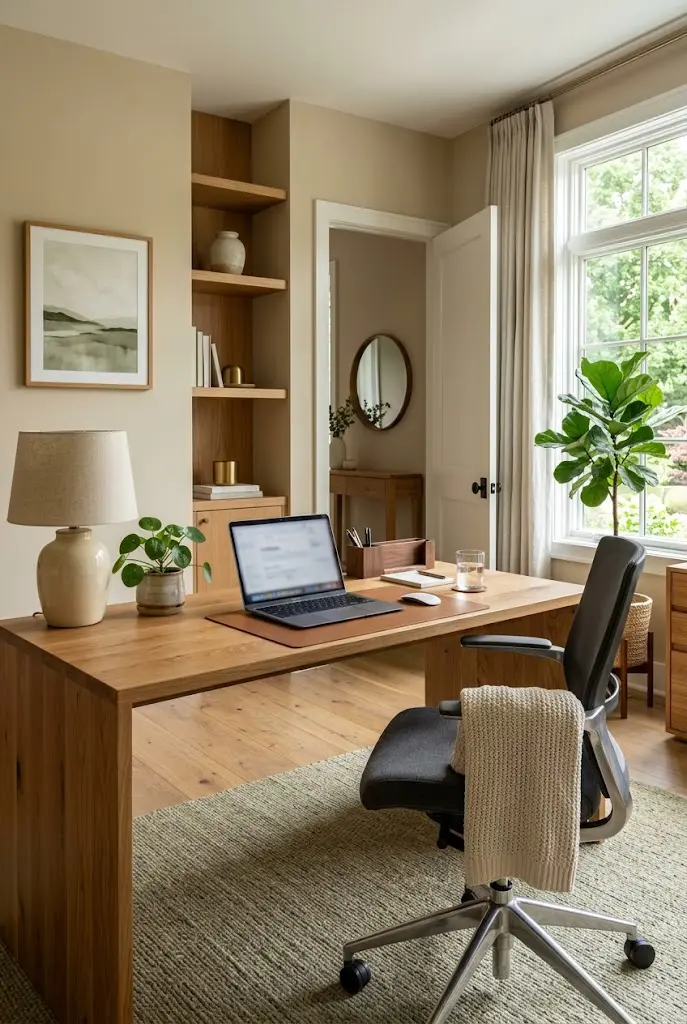
A home office should support focus without feeling sterile or overwhelming. Position the desk so you have a clear view of the room when possible, rather than sitting directly facing a wall with no visual depth. A supportive chair and a solid desk can create a more grounded workstation. Keep cables, paperwork, and small supplies organized using drawers, trays, and attractive containers. Add a small plant or natural wood accessory to bring warmth to the workspace. Use task lighting that provides enough brightness without creating harsh glare. Keep decorative objects intentional so your desk remains functional. A tidy office can make it easier to concentrate while creating a calmer transition between work time and personal time.
Keep Electronics Less Visually Dominant
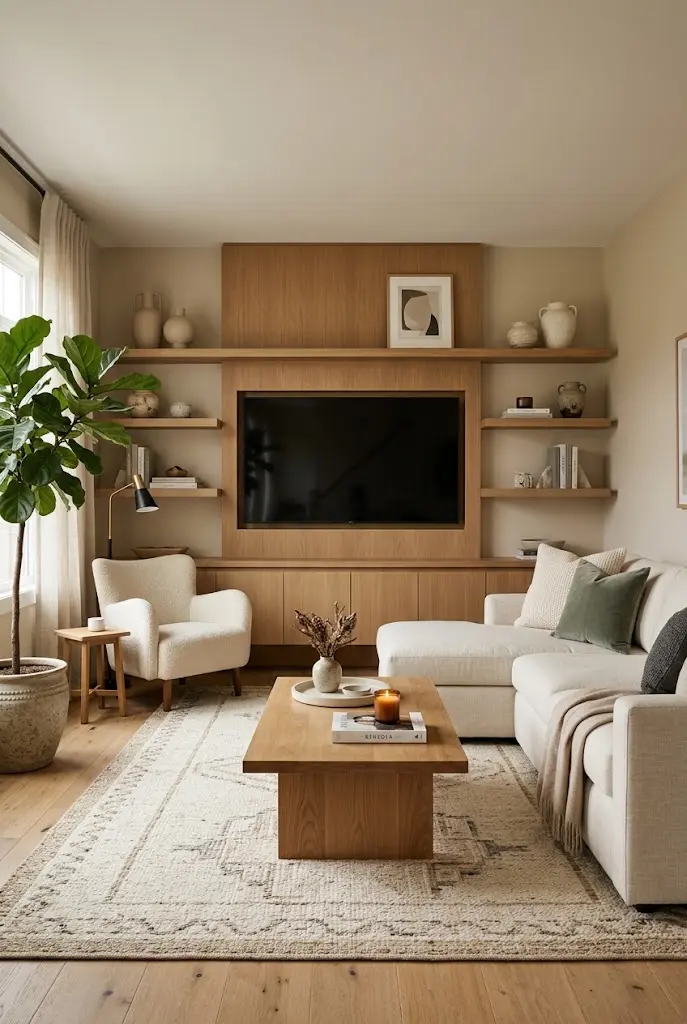
Modern homes naturally contain televisions, computers, speakers, chargers, and other electronics, but they do not have to dominate the decor. When possible, conceal cables and organize chargers so surfaces remain visually clean. Use furniture with built-in storage for remotes, gaming accessories, and other small devices. In bedrooms, consider keeping phones and charging stations away from the immediate sleeping area if that helps create a calmer nighttime routine. A television can be surrounded by simple cabinetry, artwork, or balanced decor rather than becoming the only focal point. The goal is not to remove technology but to integrate it thoughtfully into the room. This makes the space feel more intentional and less visually busy.
Refresh Your Home With Fresh Flowers
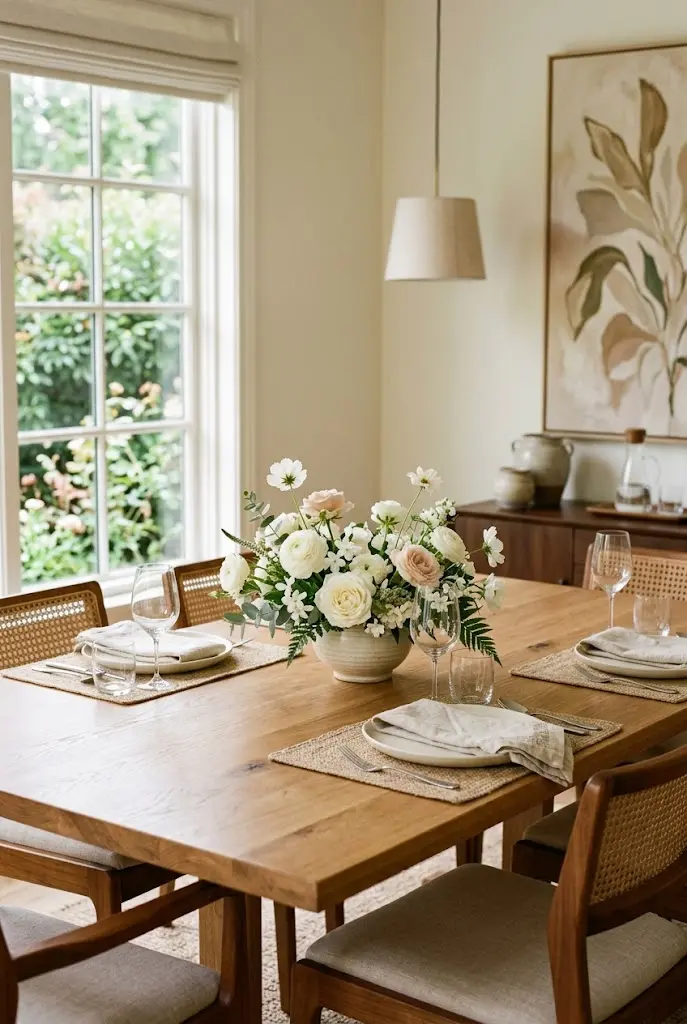
Fresh flowers can add color, natural beauty, and seasonal character without requiring a major decorating change. Choose flowers that suit the room rather than creating an oversized arrangement that dominates the space. A small vase of seasonal blooms can work beautifully on a dining table, kitchen island, entryway console, or bedside table. Consider soft whites, blush tones, pale yellow, lavender, or greenery depending on your existing color palette. Keep flowers fresh by changing the water regularly and removing wilted stems. Simple glass, ceramic, or stone vases can complement both modern and traditional interiors. The combination of natural color and organic shapes can make everyday spaces feel more welcoming and cared for.
Create a Comfortable Reading Corner
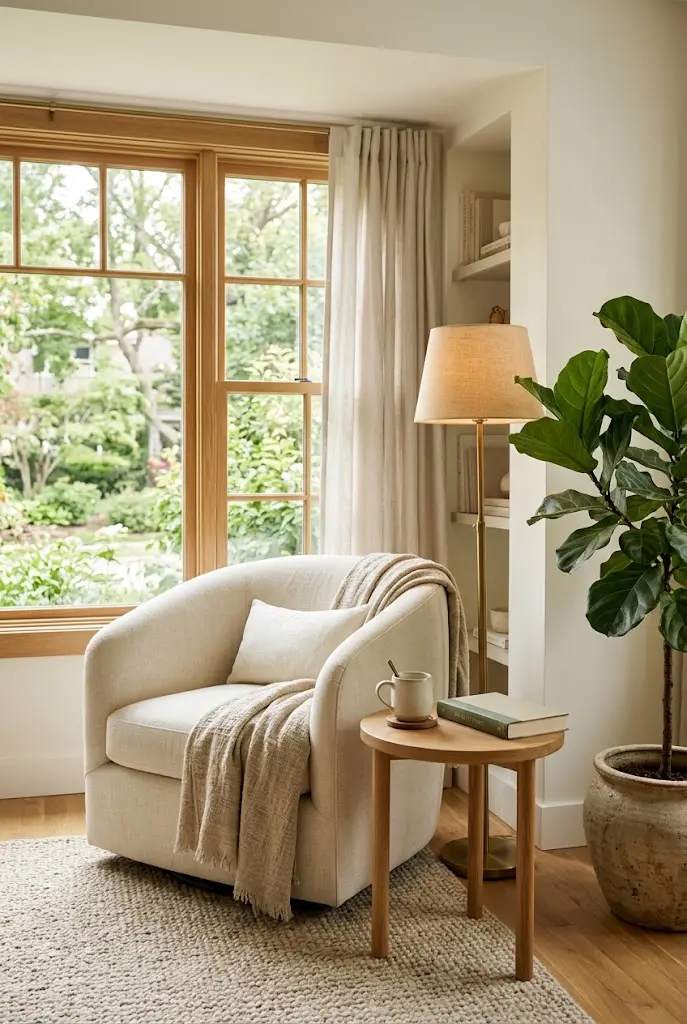
A dedicated reading corner can give your home a small retreat for quiet time and relaxation. Choose a comfortable chair with supportive cushioning and position it near natural light when possible. Add a small side table for a book, cup of tea, or decorative object, along with a warm floor or table lamp for evening reading. A soft throw blanket and textured rug can make the area feel more inviting. Keep the surrounding space relatively uncluttered so the corner feels like a purposeful retreat. A plant or small piece of calming artwork can complete the arrangement. This is a simple way to turn an unused corner into a space that encourages slowing down and enjoying your home.
Balance the Five Natural Elements Through Decor
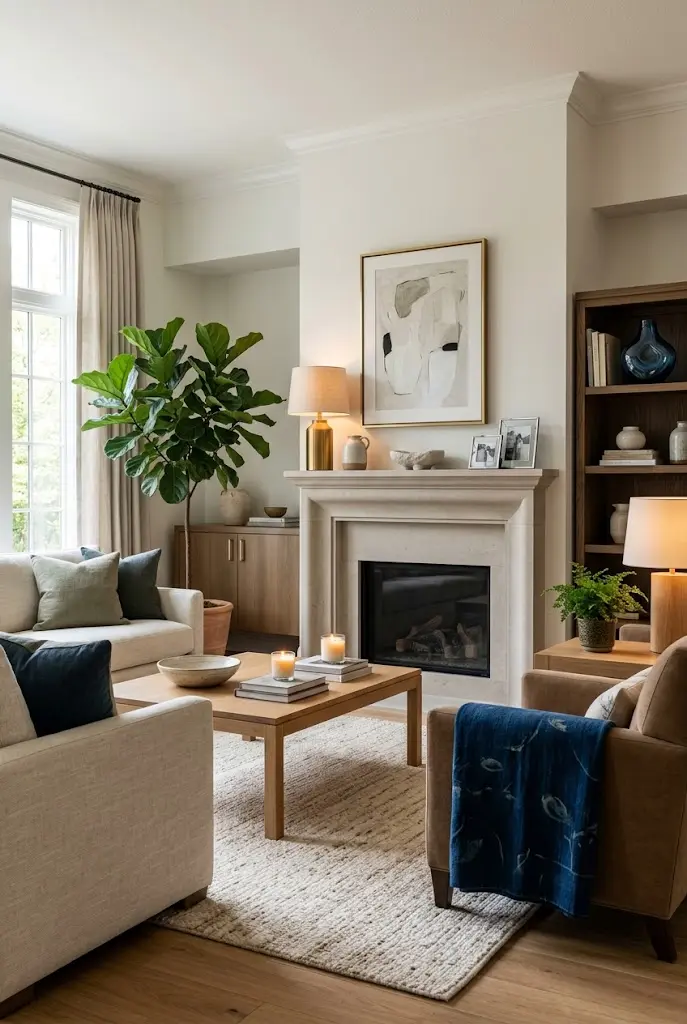
A Feng Shui-inspired decorating scheme can incorporate the traditional five elements—wood, fire, earth, metal, and water—through colors, shapes, materials, and objects. Wood can appear through furniture and plants, while earth can be represented by ceramics, stone, and earthy colors. Metal can come through hardware, frames, or subtle metallic accents. Fire can be suggested through warm lighting, candles, or touches of red and warm tones. Water may be represented through dark blue or black accents and fluid shapes, with actual water features used thoughtfully rather than excessively. You do not need to include every element equally in every room. Instead, use the concept as a flexible decorating framework for creating variety and balance.
Make the Bathroom Feel Fresh and Spa-Like
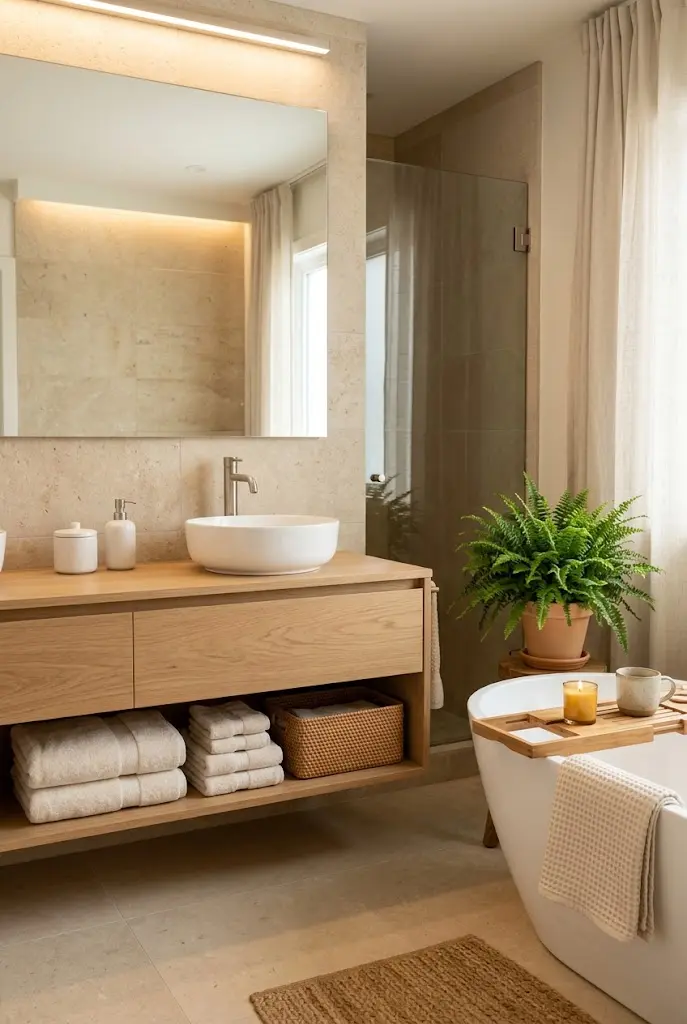
Bathrooms can benefit from the same principles of organization, natural materials, and visual calm used throughout the home. Keep counters as clear as possible and store toiletries in drawers, cabinets, or attractive containers. Add a small plant that thrives in the bathroom’s humidity and available light, such as a suitable fern or pothos. Natural wood accessories, stone trays, cotton towels, and neutral colors can create a spa-like atmosphere. Make sure ventilation is adequate and that decorative materials are appropriate for moisture. Soft lighting can make the space feel more relaxing, while clean mirrors and uncluttered surfaces create a fresher appearance. The result can be a practical bathroom that feels like a peaceful retreat rather than a storage area.
Create a Peaceful Nighttime Routine Through Decor
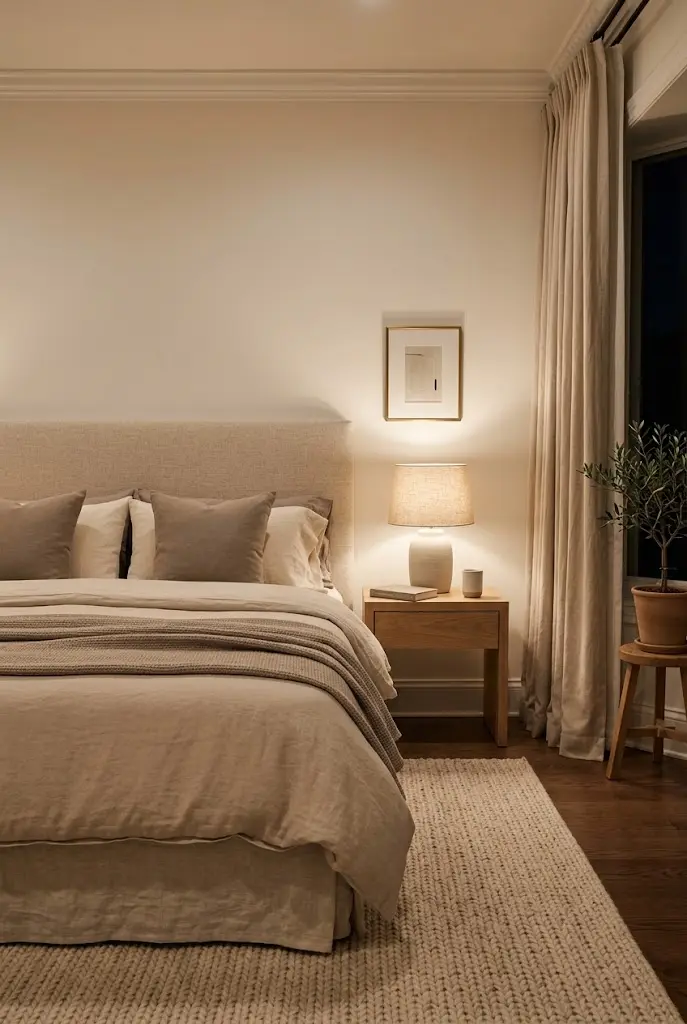
Your bedroom decor can support a calmer evening routine when it encourages you to disconnect from daily distractions. Keep bedside surfaces simple, use warm and adjustable lighting, and choose comfortable natural bedding. A small ceramic lamp, a calming piece of artwork, and a book can create a more restful visual environment than a crowded nightstand. Consider using baskets or drawers to keep chargers, devices, and miscellaneous items out of sight. Soft curtains can reduce harsh outside light while maintaining an attractive layered look. Choose textures that invite relaxation, such as linen, cotton, wool, or soft woven fabrics. The overall goal is to make the bedroom feel like a quiet transition from the busy day to a slower evening.
Personalize Your Space With Meaningful Objects
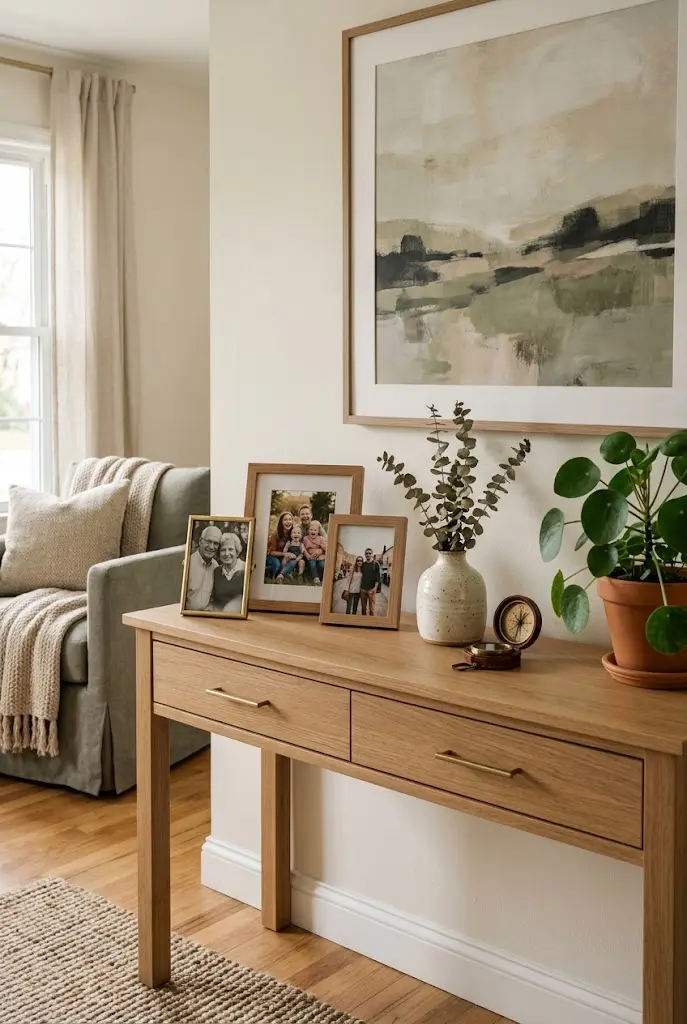
Feng Shui decorating should not mean creating a home that looks generic or overly minimal. Meaningful objects can make your space feel personal, provided they are displayed intentionally. Choose family photographs, travel souvenirs, handmade ceramics, inherited pieces, or artwork that brings positive associations. Instead of displaying every keepsake you own, rotate collections seasonally or create one thoughtfully arranged shelf. Give meaningful pieces enough space around them so they remain visually special. Avoid keeping objects that consistently create negative associations simply because you feel obligated to display them. Your home should reflect the people who live there and the memories they value. Personal touches can make balanced decorating feel warm, authentic, and lived-in.
Keep Your Home Feeling Balanced, Not Perfect
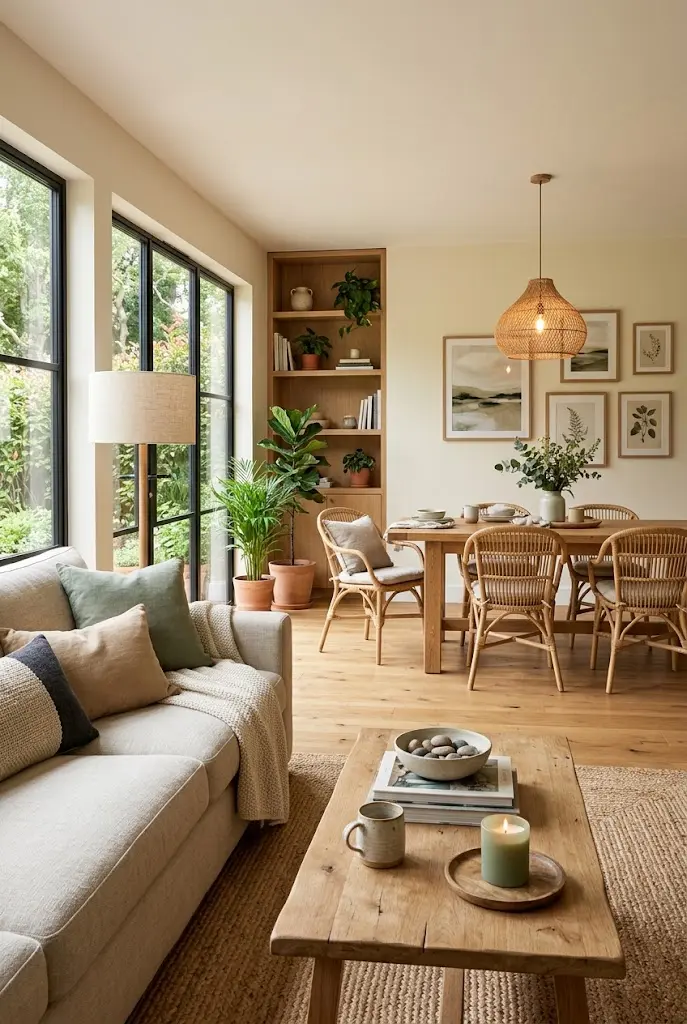
The most useful approach to Feng Shui decorating is to focus on how your home feels rather than trying to follow every rule perfectly. Walk through each room and notice where you feel comfortable, where movement feels difficult, and where clutter tends to collect. Then make small changes based on those observations. Move a chair, clear a surface, add a plant, improve the lighting, or rearrange a few decorative objects. Your home should support your everyday routines rather than become another source of pressure. Different families and lifestyles need different layouts, so flexibility matters. Use Feng Shui as inspiration for creating rooms that feel intentional, comfortable, functional, and personal.
Final Thoughts
Feng Shui decorating does not have to involve a complete home makeover or a strict set of rules. Small changes such as clearing clutter, improving furniture placement, adding natural materials, introducing plants, and choosing calming colors can completely change the atmosphere of a room. The most important goal is to create a home that feels comfortable, balanced, functional, and meaningful to you. Start with the room that feels most chaotic and make one or two intentional changes at a time. As you create more open and welcoming spaces, you may find that your home becomes not only more beautiful but also more enjoyable to live in.