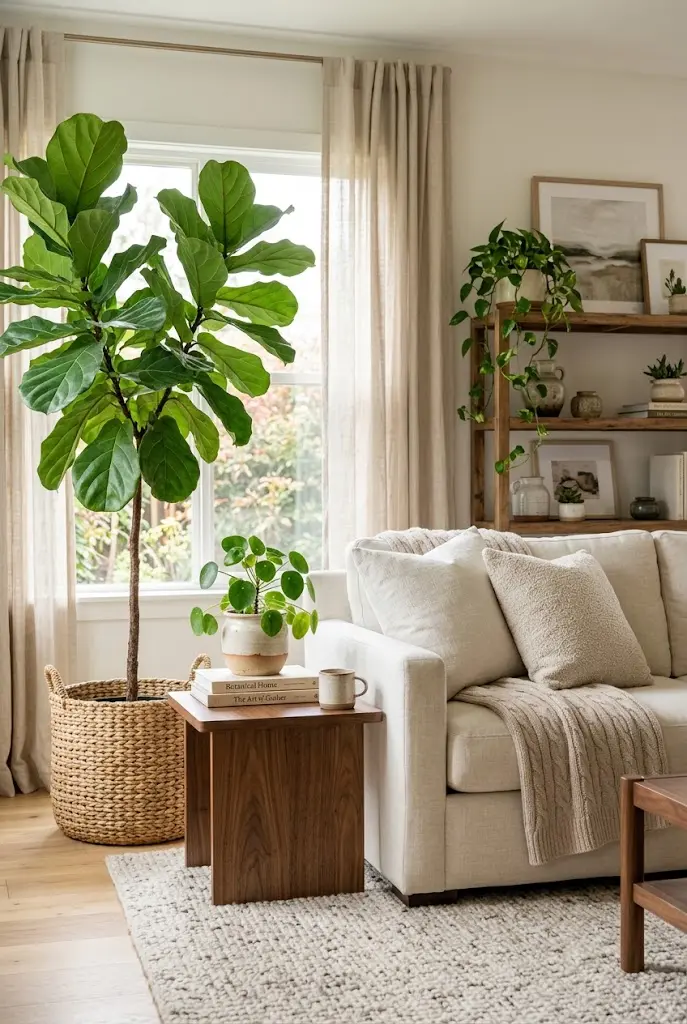
24 Decorative Wood Wall Panels for Beautiful, Timeless Home Interiors
Decorative wood wall panels can completely change the personality of a room without requiring a full renovation. From warm walnut accents to light oak slats, wood brings texture, depth, and a natural sense of comfort to modern interiors. Whether you are updating a bedroom, living room, dining area, or home office, there is a wood-paneling style that can fit your space beautifully. The best designs balance the character of natural wood with the colors and furniture already in your home. If you love cozy interiors, modern accents, or timeless materials, these ideas are worth saving. Explore these decorative wood wall panel ideas for inspiration you can bring into your next home project.
Warm Walnut Panels for a Sophisticated Living Room
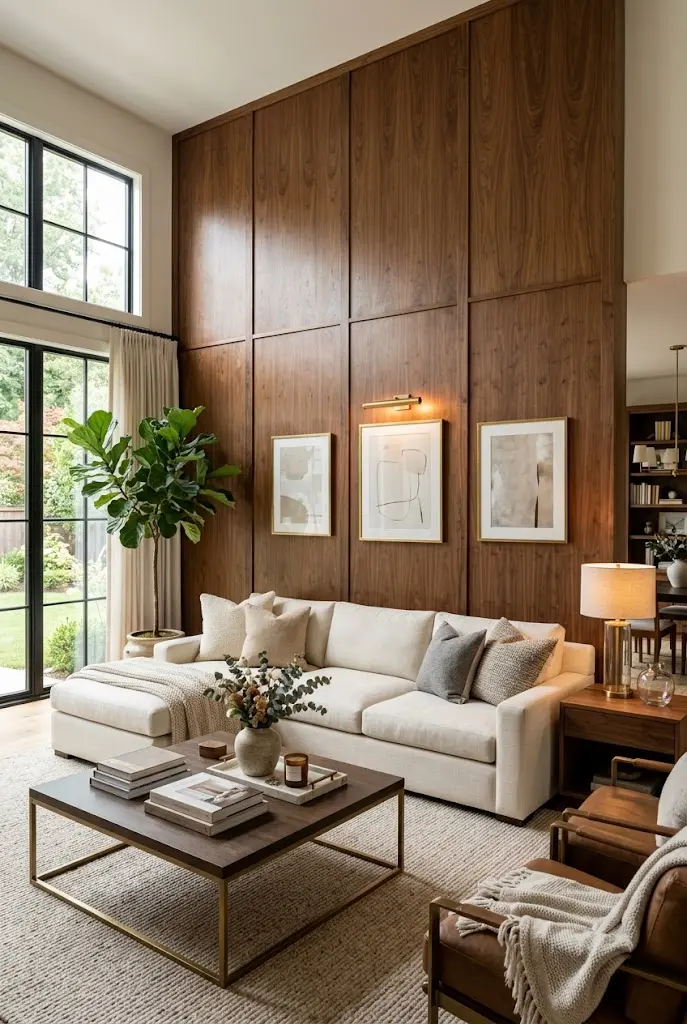
Warm walnut panels can give a living room an instantly polished and inviting appearance. Their rich brown tones work beautifully with cream sofas, neutral rugs, and warm metallic accents. Instead of covering every wall, consider using walnut on one feature wall behind the television or sofa. Vertical or slightly textured panels can add dimension without making the room feel overly traditional. Pair the wood with soft lighting to emphasize its natural grain in the evening. A large neutral sectional can keep the room feeling contemporary while allowing the wood to remain the focal point. Add ceramic accessories, linen pillows, and a few leafy plants for balance. Walnut works especially well in rooms where you want warmth without sacrificing elegance. Choose a matte or low-sheen finish for a more sophisticated appearance. The result is a timeless wall treatment that can complement changing furniture styles.
Light Oak Slat Wall for a Modern Interior
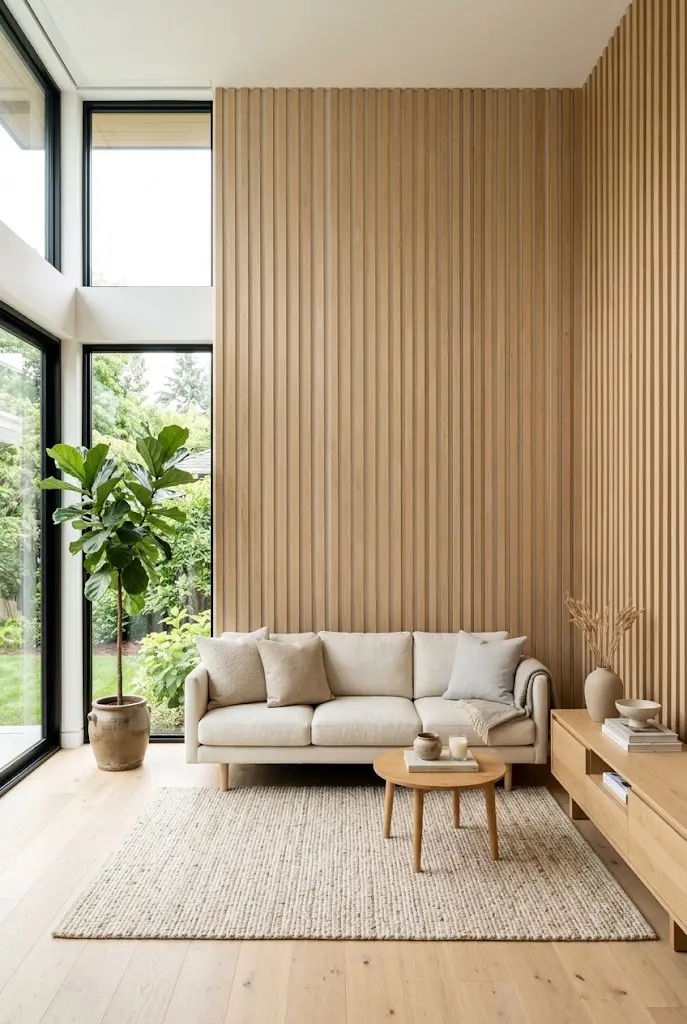
Light oak slat walls are ideal when you want wood texture without making a room feel dark. The pale natural finish creates an airy backdrop that works especially well with white, beige, and soft gray interiors. Try installing narrow vertical slats behind a sofa, media console, or dining table. The repetition of the slats adds architectural interest while making the wall feel taller. Light oak pairs beautifully with Scandinavian, Japandi, and contemporary decorating styles. Keep the surrounding furniture simple so the paneling has room to stand out. A few black accents can create contrast and prevent the space from looking too pale. Soft natural fabrics such as linen and cotton can make the room feel even more relaxed. If your room receives plenty of sunlight, the wood grain will become a subtle decorative feature throughout the day. This is one of the easiest paneling styles for creating a bright yet warm interior.
Floor-to-Ceiling Wood Panels Behind the Bed

A floor-to-ceiling wood-paneled wall can make a bedroom feel more intentional and beautifully finished. Positioning panels behind the bed creates a natural headboard effect while giving the entire room a stronger focal point. Medium oak, walnut, or warm ash can all work depending on the color palette. Vertical paneling can visually emphasize ceiling height, which is particularly helpful in rooms with lower ceilings. Keep the bedding in soft neutral shades so the natural wood remains the star. Wall-mounted bedside lighting can provide a clean look without interrupting the panel design. Add simple artwork or avoid artwork altogether for a more minimalist appearance. Soft curtains and layered bedding will keep the hard wood surface from feeling too cold. A large area rug can introduce additional softness underfoot. This approach works especially well for modern bedrooms where simplicity and warmth are equally important.
Chevron Wood Panels for a Statement Wall

Chevron wood panels bring movement and visual energy to a room while keeping the natural warmth of timber. The angled arrangement creates a decorative pattern that can replace traditional artwork on a feature wall. Use a medium-toned wood if you want the pattern to feel prominent without becoming overwhelming. A chevron wall works particularly well behind a console, sofa, or dining table. Keep the furniture relatively understated so the geometric pattern remains the visual highlight. Neutral upholstery and simple black or brass accents can complement the wood beautifully. Good lighting is important because it helps reveal the changing direction of the wood grain. For a modern look, choose clean, evenly sized pieces with minimal gaps. For a more rustic interpretation, select wood with visible knots and natural variation. Chevron paneling is especially useful when you want an ordinary wall to become an architectural statement.
Rustic Reclaimed Wood Accent Wall
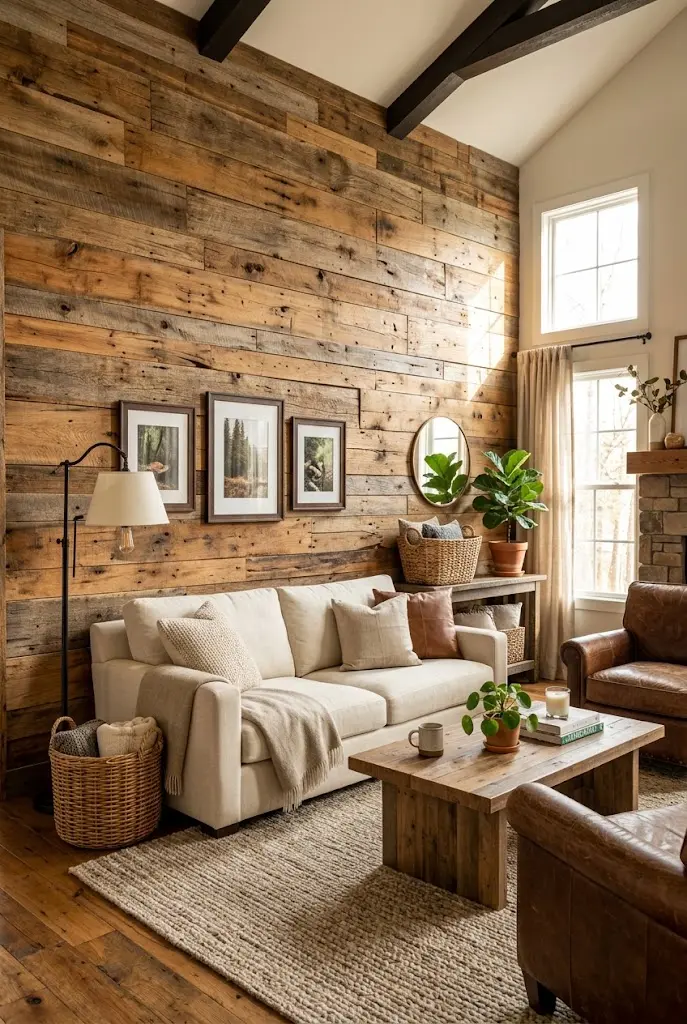
Reclaimed wood panels can bring authentic character to an otherwise modern space. The variation in tones, grain, knots, and subtle imperfections makes every installation feel distinctive. Use reclaimed boards on a single wall in a family room, bedroom, or home office rather than covering the entire interior. Balance the weathered surface with clean-lined furniture to prevent the room from feeling too rustic. Cream, charcoal, tan, and muted green accents work especially well with aged wood. You can mix board widths for a more collected appearance, or keep them consistent for a cleaner finish. Properly finished reclaimed wood can provide texture while remaining practical for everyday interiors. Add woven baskets, vintage-inspired lighting, or leather seating for extra warmth. Plants can soften the rougher character of the boards. This style is perfect for homeowners who love farmhouse, rustic-modern, or cozy lodge-inspired interiors.
Vertical Wood Panels to Make Ceilings Feel Taller
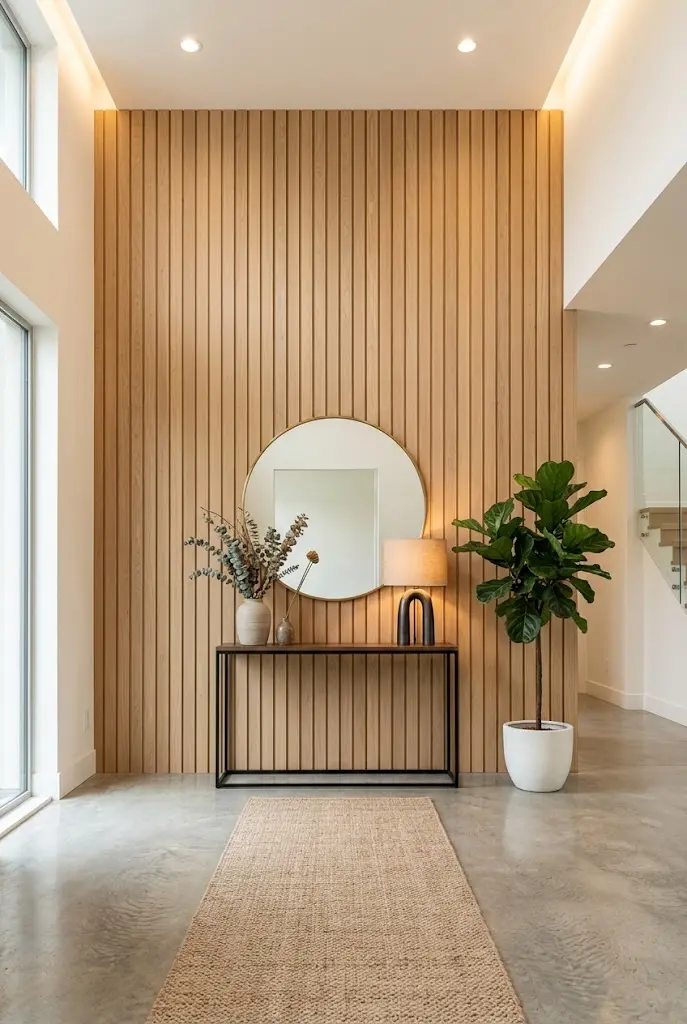
Vertical paneling is a simple visual trick for emphasizing height in a room. The long lines naturally draw the eye upward, making the ceiling appear more prominent. This approach works especially well in bedrooms, entryways, and compact living spaces. Choose slim panels in a light or medium wood to maintain an open atmosphere. If the room already contains patterned furniture, keep the panel design straightforward. You can use the same wood tone on a portion of the wall rather than covering everything. Pair the panels with low-profile furniture to further emphasize vertical space. Floor-length curtains can reinforce the same visual effect. Recessed or upward-facing lighting can highlight the panel lines after sunset. The result is a room that feels taller, calmer, and more architecturally interesting. It is a particularly useful idea for homes where you want visual impact without adding bulky decor.
Horizontal Wood Panels for a Cozy Cabin Feel

Horizontal wood panels create a completely different visual effect from vertical slats. Their long lines can make a room feel wider, relaxed, and slightly more casual. This style works beautifully in mountain-inspired homes, modern cabins, and cozy family rooms. Choose warm pine, oak, or cedar tones depending on how rustic you want the result to feel. Pair the wall with comfortable seating, soft throws, and natural woven textures. A stone fireplace can make the combination even more inviting. Keep the panel finish matte so the wood maintains an authentic appearance. Neutral rugs and cream upholstery can prevent the room from becoming visually heavy. Black metal lighting can provide a modern contrast against the warm timber. This look works particularly well for spaces designed around relaxation and gathering. It brings the feeling of a comfortable retreat indoors without requiring excessive decoration.
Dark Wood Panels for a Moody Home Office

Dark wood paneling can turn a home office into a sophisticated and focused retreat. Deep walnut, espresso, or smoked oak tones create an intimate atmosphere that pairs beautifully with leather and metal details. Use the paneling behind the desk as an intentional backdrop for video calls or a statement workspace. To keep the room from feeling too dark, introduce plenty of warm task lighting and lighter textiles. A cream desk chair or neutral rug can provide useful contrast. Open shelving can break up a large wood surface while giving you space for books and decorative objects. Brass or aged bronze accents can add a refined touch. Keep the accessories curated rather than filling every shelf. Natural plants can also introduce freshness against the deeper wood tones. This design is ideal for anyone who wants a home office that feels professional, timeless, and comfortable.
Fluted Wood Panels for Contemporary Interiors
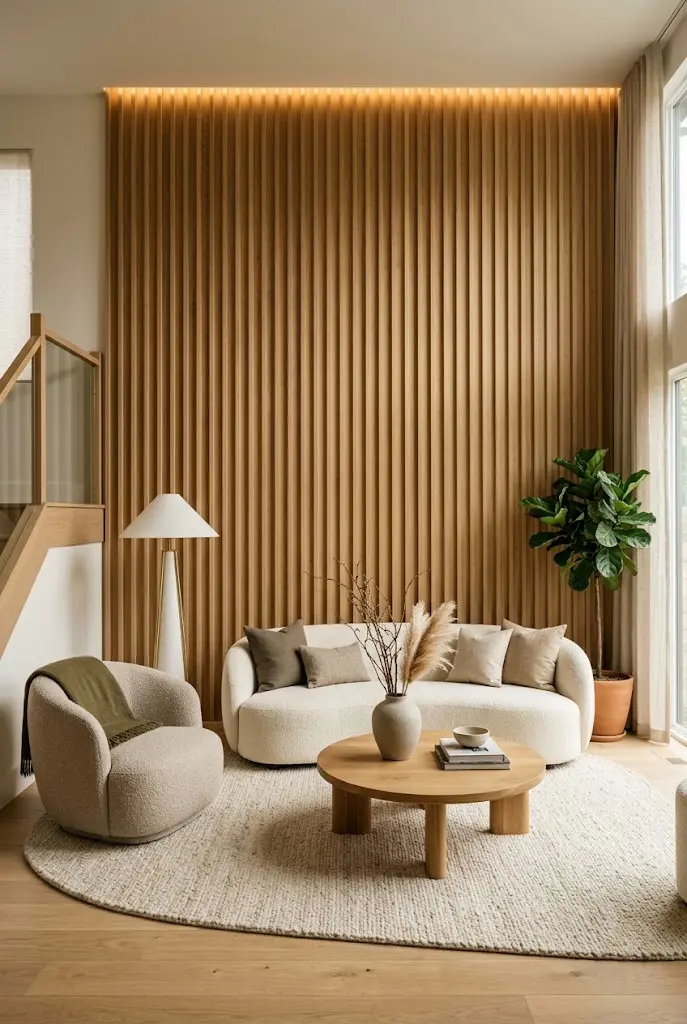
Fluted wood panels add texture through repeated narrow grooves that catch light and shadow throughout the day. They are an excellent choice when you want a contemporary feature without a busy pattern. Install them behind a television, entryway console, bed, or dining area for a sophisticated architectural finish. Light oak creates an airy appearance, while walnut gives the same design a richer mood. Because the grooves provide plenty of visual texture, surrounding decor can remain simple. Pair the panels with rounded furniture to soften the linear structure. Curved sofas, circular mirrors, and organic-shaped tables create an appealing contrast. Integrated LED lighting can emphasize the fluted details without overwhelming them. This panel style also works well in minimalist homes because it provides decoration through architecture rather than accessories. The result is polished, dimensional, and highly adaptable.
Wood Paneling Around a Fireplace
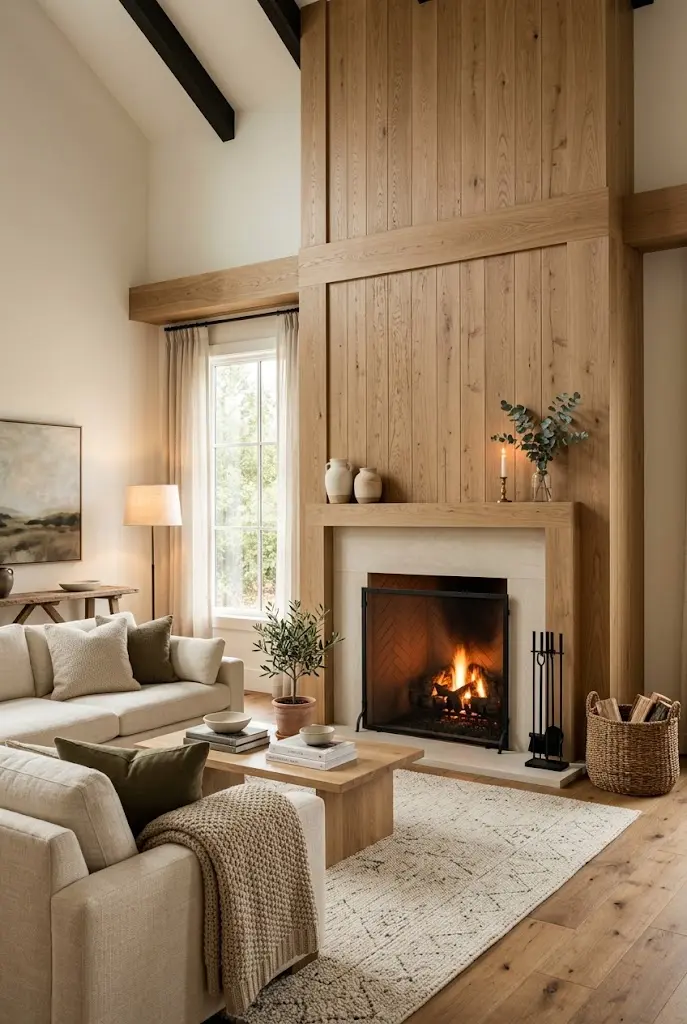
Framing a fireplace with decorative wood panels can make the entire feature feel more integrated into the architecture. Choose a wood finish that complements the flooring or furniture rather than matching everything perfectly. A warm oak surround can make a white fireplace feel softer and more inviting. For a contemporary look, use simple vertical panels extending beyond the fireplace width. Keep the mantel styling restrained with ceramics, greenery, or one statement object. If you have a darker fireplace surround, lighter wood can provide beautiful contrast. The paneling can also help visually anchor a television mounted above the fireplace. Use heat-appropriate materials and follow local installation requirements when placing wood near a fireplace. Warm accent lighting can further emphasize the grain after dark. This combination works across modern farmhouse, transitional, and contemporary interiors. It creates a cozy focal point while giving the room a polished architectural finish.
Two-Tone Wood Paneling for Added Dimension

Two-tone wood paneling allows you to create depth without relying on complicated patterns. Combine two complementary wood shades, such as light oak and medium walnut, in carefully arranged sections. The contrast can define a dining area, bedroom wall, or living room feature without requiring additional artwork. Keep one tone dominant and use the second as an accent so the design remains cohesive. Vertical sections can create a clean modern appearance, while geometric arrangements can feel more artistic. Repeat one of the wood tones elsewhere in the room through furniture or small accessories. Neutral walls and flooring help the two woods remain visually connected. Avoid combining too many additional finishes because the wall already provides significant texture. Good lighting will reveal the subtle differences between the two wood surfaces. This is an excellent option for homeowners who want something personalized but still timeless.
Wood Panel Accent in a Minimalist Entryway

A small amount of wood can make a minimalist entryway feel significantly warmer. Instead of covering an entire wall, install panels behind a narrow console or bench. Light oak or natural ash is especially effective in this setting because it keeps the entrance bright and open. Pair the panels with a round mirror to introduce a softer shape against the linear wood. A slim console, small lamp, and simple ceramic bowl can provide practical function without clutter. Add a woven basket underneath for shoes, blankets, or everyday items. Keep the color palette restrained with cream, beige, black, and natural wood. A tall plant can add height and a fresh organic element. This approach is particularly useful for narrow entryways where excessive decoration can quickly feel crowded. The finished space looks welcoming while maintaining a clean, organized appearance.
Geometric Wood Panels for an Artistic Look
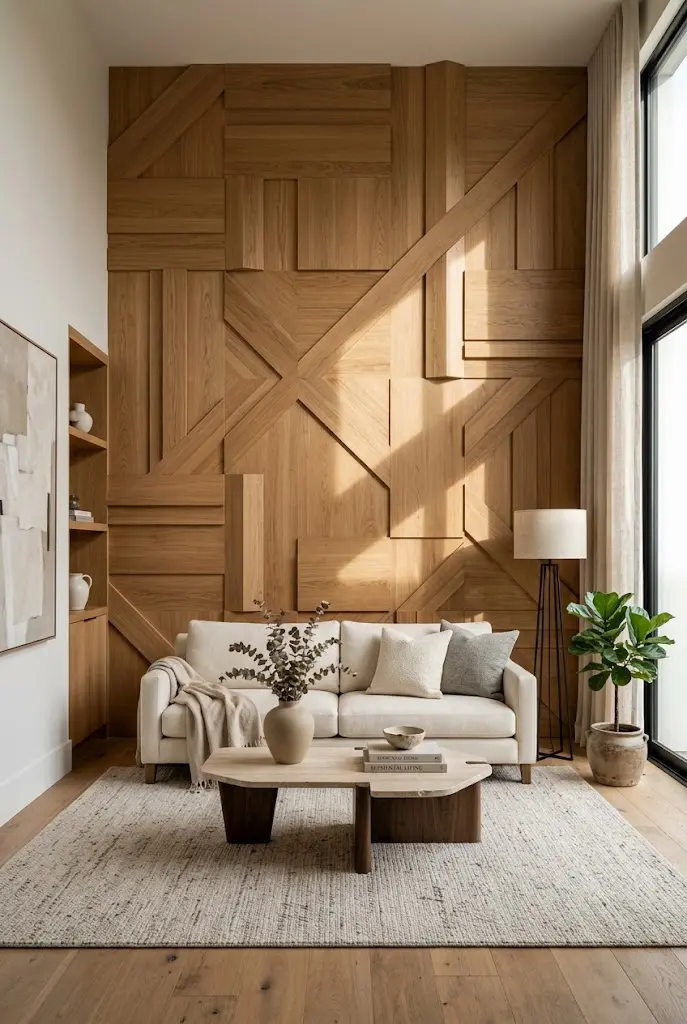
Geometric wood panels can turn a plain wall into a piece of architectural art. Rather than using traditional vertical or horizontal boards, this approach uses angled lines, squares, rectangles, or repeating shapes. Keep the palette relatively simple so the geometry remains the focus. Natural oak is ideal for a lighter contemporary room, while darker walnut can create a dramatic statement. Use geometric paneling behind a sofa, dining table, or bed where it can function as the primary focal point. Furniture with simple silhouettes works best alongside a highly structured wall. Avoid adding too many decorative patterns elsewhere in the room. Lighting from different angles can make the shapes appear more dimensional. If you prefer subtle design, choose geometric sections that use the same wood tone throughout. This is a strong choice for modern interiors that need personality without colorful artwork.
Whitewashed Wood Panels for a Coastal Home

Whitewashed wood panels are perfect for creating a relaxed coastal atmosphere without relying on obvious beach-themed decorations. The pale finish allows the natural grain to remain visible while giving the wall a soft, sun-washed appearance. Use this style in a bedroom, living room, or breakfast nook with plenty of natural light. Pair the panels with linen upholstery, woven textures, and shades of cream, sand, pale blue, or muted sage. Keep accessories organic and understated rather than filling the space with nautical motifs. Light-colored flooring can help maintain the bright coastal feeling. A few natural baskets and soft cotton throws add useful texture. Matte finishes usually look more authentic than highly glossy surfaces. The result feels fresh and comfortable rather than overly themed. It is an easy way to bring a relaxed coastal character into an American home.
Wood Panels Behind a Floating Media Console
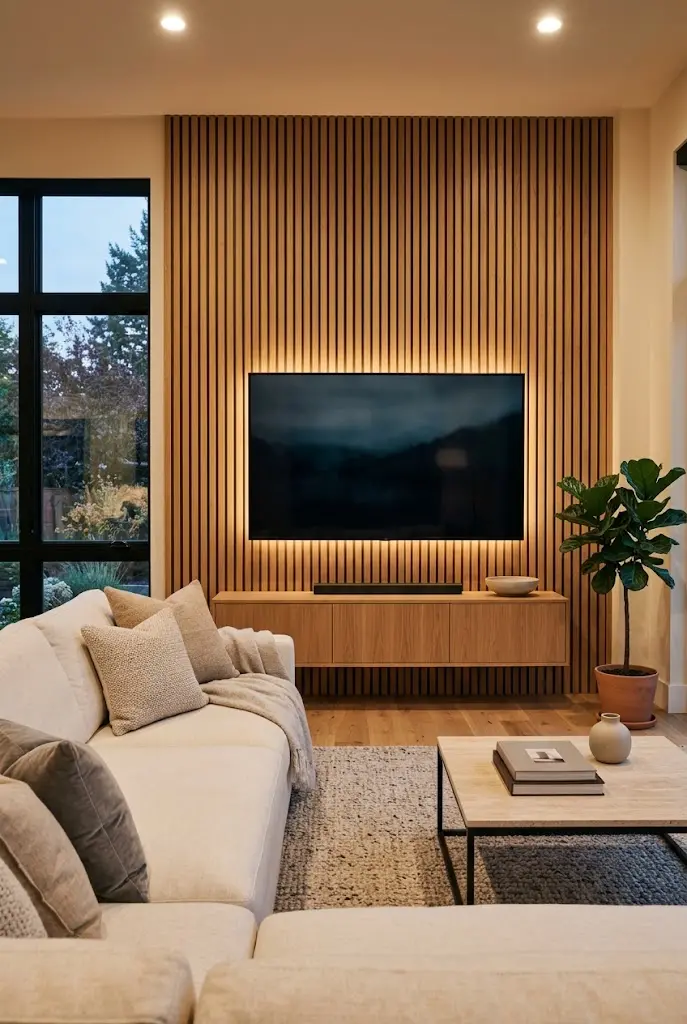
A wood-paneled media wall can make a television setup feel much more intentional. Instead of placing the screen against a plain painted wall, use wood panels as a warm architectural background. Vertical slats or fluted panels can add interest without competing with the television. A floating console underneath creates visual breathing room and makes the room feel more contemporary. Hide cables and electronics wherever possible to preserve the clean appearance. Light oak is ideal for bright interiors, while walnut works beautifully in darker entertainment spaces. Add only a few carefully selected objects to the console. Soft lighting behind or around the unit can create a comfortable evening atmosphere. Keep the surrounding furniture simple so the media wall remains balanced. This idea is especially useful in open-concept living spaces where the television area needs to feel integrated rather than visually dominant.
Natural Cedar Panels for a Warm Retreat

Cedar paneling brings a distinctive natural aroma, warm color, and organic character to interiors. Its reddish and honey-toned hues can make a room feel like a peaceful retreat. Use cedar selectively in a bedroom, reading nook, sunroom, or cozy family room. The wood works particularly well with cream, tan, charcoal, and muted green. Let the natural knots and grain remain visible rather than choosing an overly uniform finish. Pair it with comfortable fabrics and soft lighting to create an inviting atmosphere. Cedar can look beautifully rustic, but streamlined furniture can give it a more contemporary direction. Avoid combining it with too many competing wood species. A simple palette allows the distinctive cedar tones to stand out. Add plants and woven accessories for an organic finishing touch. This is an excellent choice for creating a warm, nature-inspired interior with plenty of personality.
Black and Wood Panel Combination
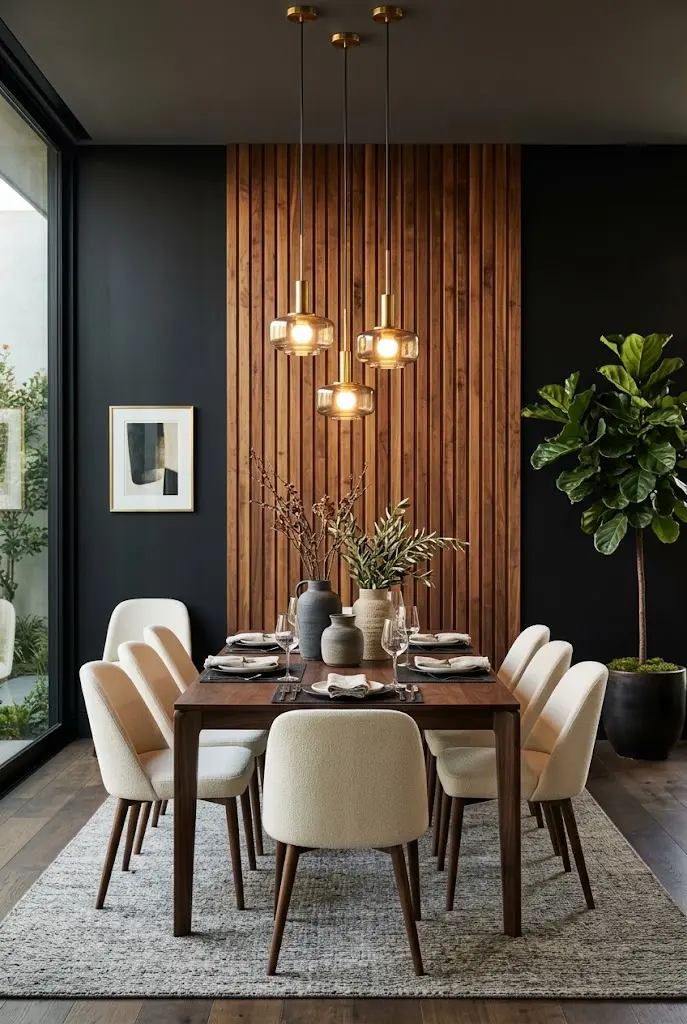
Combining black surfaces with warm wood creates a striking modern contrast. Use black painted sections alongside natural wood panels to make the timber feel even warmer. This combination works especially well in media rooms, offices, dining rooms, and contemporary living spaces. Choose a warm wood such as walnut or oak to prevent the black elements from making the room feel cold. Matte black is usually more sophisticated than a glossy finish. Keep furniture streamlined and use a few light-colored pieces to balance the darker palette. Brass or bronze hardware can add a subtle touch of luxury. Lighting becomes particularly important because it prevents the darker surfaces from absorbing too much visual energy. A large plant can also soften the contrast. The finished look feels bold, refined, and distinctly contemporary.
Wood Paneling in a Home Dining Area

A wood-paneled dining wall can make everyday meals feel a little more special. The natural texture provides warmth while creating an attractive backdrop for family dinners and entertaining. Consider installing panels behind a dining table rather than covering the entire room. Light oak keeps the area bright, while darker wood can create a more intimate atmosphere. Pair the wall with a simple dining table in a complementary finish. Upholstered chairs can add softness against the hard surface of the wood. A statement pendant above the table can become a second focal point without competing with the paneling. Keep wall decor minimal because the wood itself provides plenty of visual interest. Natural ceramics, linen napkins, and greenery reinforce the organic character. This approach works beautifully in both formal dining rooms and casual open-plan spaces. It adds architectural personality without making the room feel overly decorated.
Wood Panels With Built-In Shelving
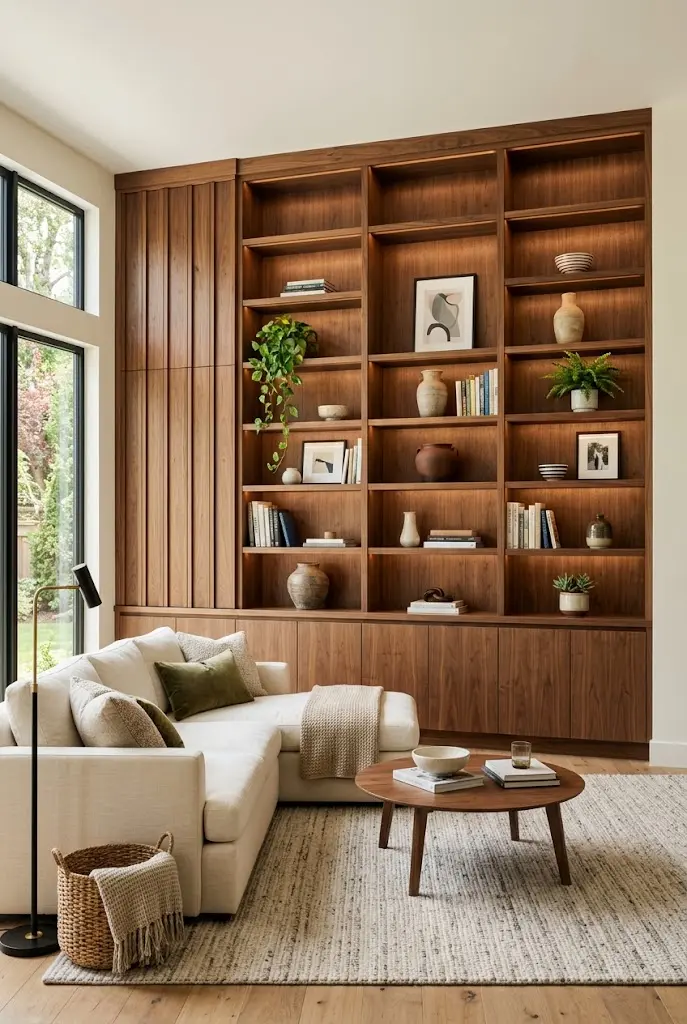
Combining wood paneling with built-in shelving creates both beauty and practical storage. This approach is especially useful in living rooms, offices, and bedrooms where you want the wall to serve a functional purpose. Install wood panels across the back of the shelving to create a cohesive architectural feature. Open shelves can display books, ceramics, framed artwork, and plants without making the room feel crowded. Choose shelves in the same wood tone for a seamless appearance or introduce a contrasting material for definition. Keep some sections intentionally empty so the design has room to breathe. Warm integrated lighting can highlight favorite objects while emphasizing the natural grain. Closed cabinets at the bottom can hide less attractive everyday items. This creates a more organized room without sacrificing style. Built-in wood shelving is particularly appealing for homeowners who want their walls to feel custom-designed.
Mid-Century Inspired Wood Paneling

Mid-century interiors are known for their appreciation of natural wood, clean lines, and functional furniture. Decorative wood panels fit naturally into this design language, especially when paired with walnut or teak-inspired tones. Use paneling behind a low-profile sofa, credenza, or dining area to create an authentic architectural backdrop. Keep the furniture legs slim and the silhouettes simple. Warm neutrals, olive green, rust, and muted mustard can complement the wood beautifully. Avoid overly ornate accessories because mid-century design relies on simplicity. A sculptural pendant or classic-style floor lamp can reinforce the era without making the room look dated. Choose a matte finish that allows the grain to remain visible. Modern artwork can keep the room feeling current. The combination produces a nostalgic yet fresh interior that works beautifully in contemporary American homes.
Soft Beige Wood Panels for a Neutral Bedroom

Neutral bedrooms do not have to feel plain when you introduce wood texture. Soft beige or pale oak panels can add depth while maintaining the calming quality of a neutral color palette. Use them behind the bed to create a subtle architectural backdrop. Pair the wall with ivory bedding, beige pillows, and warm taupe accents. Layer different textiles to prevent the room from feeling flat. Natural wood bedside tables and woven accessories can reinforce the organic theme. Keep the lighting warm and diffused for a restful atmosphere. Avoid highly contrasting colors if the goal is a serene bedroom. A small amount of greenery can add freshness without disrupting the neutral palette. This style is particularly suited to minimalist, Japandi, and modern organic bedrooms. The finished space feels calm, comfortable, and timeless.
Accent Wall With Natural Wood and Stone

Wood and stone are two natural materials that complement each other beautifully. Combining them on one feature wall can create a sophisticated organic interior with plenty of texture. Use warm wood panels beside or around a section of natural stone rather than mixing too many materials across the entire room. The contrast between smooth timber grain and rugged stone creates visual depth. This pairing works particularly well around fireplaces, media walls, or large architectural features. Keep the furniture neutral to allow the materials to take center stage. Leather, linen, and woven textiles can reinforce the natural palette. Warm lighting will highlight both the grain of the wood and the texture of the stone. Avoid overly glossy finishes because the combination looks best when it feels tactile and authentic. This is an excellent choice for modern rustic and organic contemporary interiors.
Wood Paneling in a Cozy Reading Nook

A small reading nook can become a memorable feature with the right wood backdrop. Rather than covering a large area, use decorative panels on the wall directly behind a comfortable chair or built-in bench. Warm oak creates a cozy feeling while keeping the corner visually light. Add a floor lamp with a warm bulb for comfortable evening reading. A soft throw and textured cushion can make the seating feel inviting. Include a narrow bookshelf or floating shelves for books and small decorative objects. A nearby window can provide natural daylight during the day. Plants and woven baskets add organic texture without creating clutter. Keep the color palette soft with cream, tan, muted green, and natural wood. This small-scale application is perfect for apartments and homes where a full feature wall may not be practical. It proves that even a small amount of paneling can have a strong design impact.
Narrow Wood Paneling for Small Spaces

You do not need a large room to enjoy decorative wood wall panels. In smaller spaces, narrow panels can add personality while maintaining a sense of openness. A light wood finish is generally the safest choice when the room receives limited natural light. Consider using the panels on one short wall rather than all four walls. Vertical lines can make the room appear taller, while a lighter horizontal design may emphasize width. Keep furniture compact and choose pieces with visible legs to preserve floor space. Mirrors can reflect light and help balance the texture of the wood. Avoid oversized artwork because the paneling already creates a strong visual element. Simple accessories and a restrained color palette will keep the room from feeling crowded. This technique works well in apartments, hallways, compact bedrooms, and small home offices. Thoughtful placement can make a small room feel designed rather than limited.
Modern Farmhouse Wood Panel Feature Wall
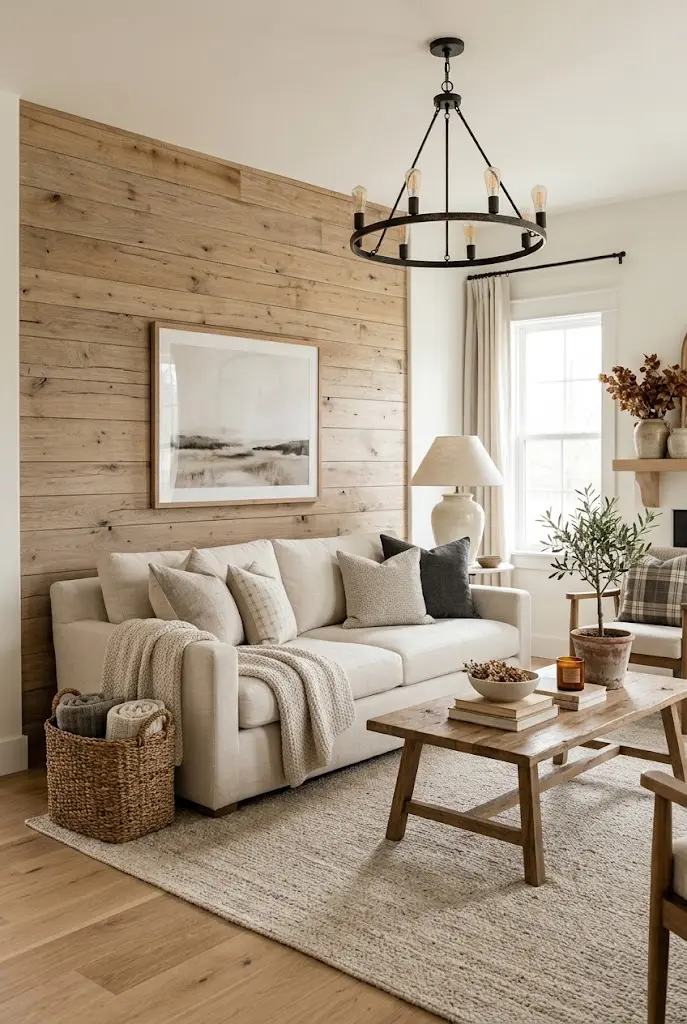
Modern farmhouse interiors benefit from the warmth and texture of wood paneling. Choose natural or lightly weathered boards rather than heavily distressed timber for a more updated appearance. Install them behind a sofa, bed, or dining table to create an easy focal point. Pair the wall with creamy upholstery, black metal accents, woven textures, and simple vintage-inspired accessories. White walls can provide contrast while keeping the room bright. A few rustic touches are enough; there is no need to fill the room with farmhouse signs or themed decorations. Use greenery to introduce a natural color that complements the timber. Linen curtains and textured throws can make the space feel comfortable and lived-in. Matte black lighting provides a crisp modern counterpoint to the wood. The result is cozy and familiar while still looking fresh and contemporary.
Wood Panels With Integrated Lighting
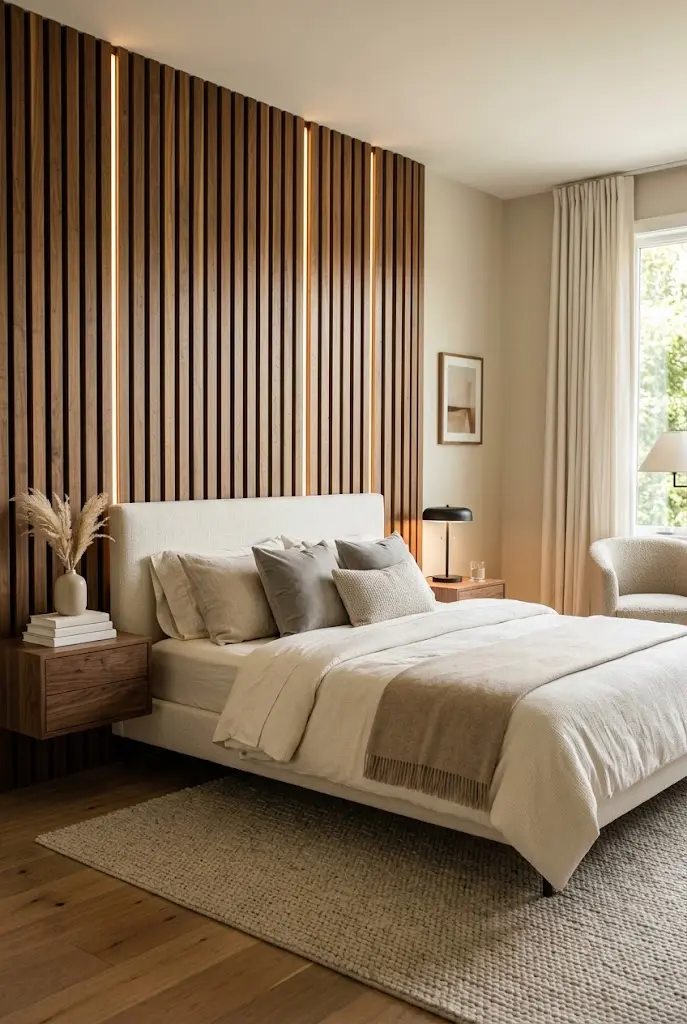
Integrated lighting can make decorative wood paneling look even more sophisticated. Concealed LED strips can be placed between slats, behind shelves, or along architectural edges to create a soft glow. This works particularly well on media walls, bedrooms, and entryways. Choose warm white lighting rather than a harsh cool tone to complement the natural wood. The light should enhance the architecture instead of becoming the main attraction. A darker wood can look especially dramatic when paired with subtle backlighting. In a bedroom, lighting around the headboard area can create a relaxing evening atmosphere. In a living room, concealed illumination can add depth behind a television or shelving system. Keep visible fixtures minimal for a cleaner appearance. Good lighting also allows the wood grain and texture to remain visible after sunset. This combination delivers a custom-built feel without relying on excessive decoration.
Scandinavian Wood Paneling for a Calm Interior

Scandinavian-inspired interiors are all about simplicity, natural materials, and comfortable functionality. Light wood paneling fits naturally into this aesthetic because it adds warmth without visual heaviness. Choose pale oak, ash, or birch-inspired finishes with a matte appearance. Pair the wall with white or soft beige furniture, simple textiles, and functional storage. Black accents can provide just enough contrast without disrupting the calm palette. Natural daylight is especially important because it highlights the subtle variation in the wood. Keep decorative objects minimal and focus on useful pieces with attractive forms. Soft rugs and linen cushions add warmth and make the space feel lived-in. A few plants can introduce organic color. This approach creates a bright, peaceful interior that feels timeless rather than tied to a particular trend.
Luxury Wood Paneling With Brass Accents
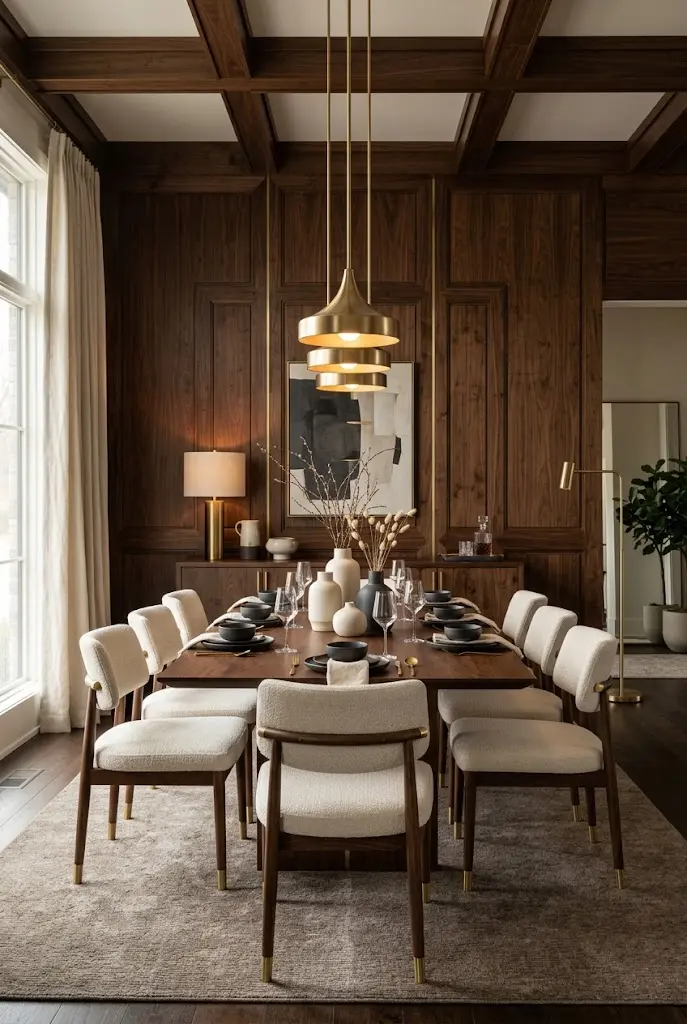
Wood and brass create an elegant combination that can make an interior feel instantly elevated. Choose rich walnut or deep oak panels as the foundation and introduce brass through lighting, hardware, or small decorative pieces. The contrast works particularly well in dining rooms, home offices, bedrooms, and sophisticated living rooms. Use brushed or aged brass if you prefer a softer appearance over a highly polished finish. Keep the furniture comfortable and contemporary so the space remains livable. Cream, charcoal, taupe, and warm beige are excellent colors to combine with the materials. Lighting should be layered so the brass details catch subtle highlights. Avoid using brass on every surface; a few carefully selected elements are more effective. Natural wood grain keeps the luxurious design grounded and approachable. This style creates an upscale appearance without needing excessive ornamentation.
Partial Wood Paneling for a Subtle Accent
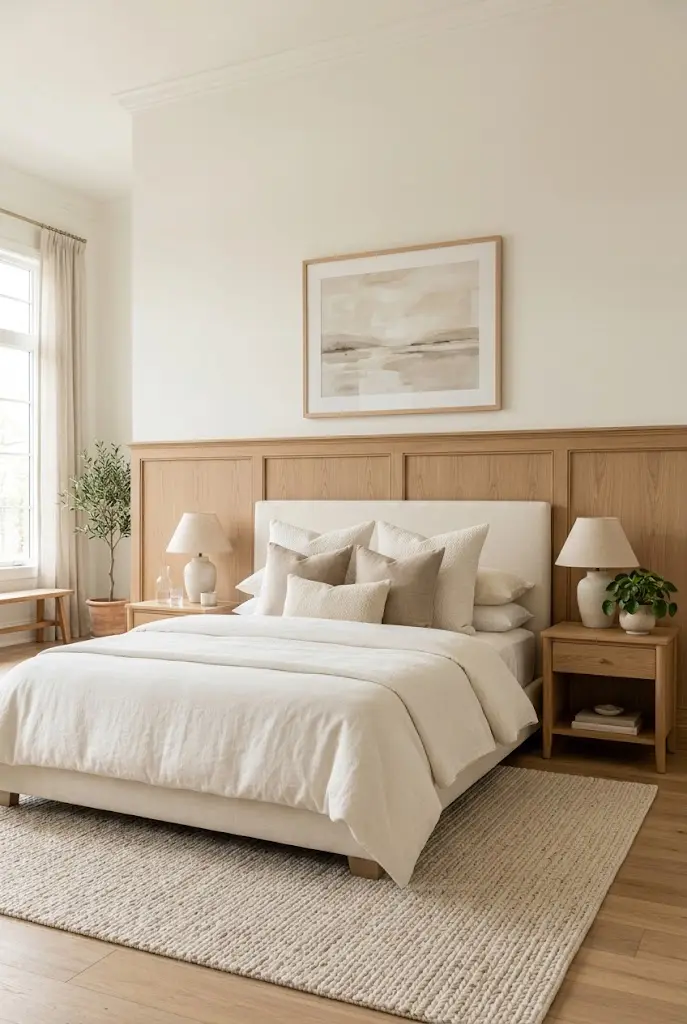
If a full feature wall feels too dramatic, partial paneling can give you the warmth of wood with a lighter visual impact. Cover only the lower half of a wall or create a defined panel behind a piece of furniture. This approach works particularly well in bedrooms, hallways, dining rooms, and home offices. A chair rail or clean transition can make the installation feel intentional and architectural. Choose a wood finish that complements the room’s existing flooring or furniture. Light oak works beautifully with neutral walls, while walnut can create a more dramatic contrast. Keep the upper portion of the wall relatively simple to maintain balance. Artwork or a mirror can be positioned above the paneling if desired. This is also a useful solution for homeowners who want to experiment with wood before committing to a larger installation. The result is subtle, versatile, and easy to adapt as your decorating style changes.
Mixed-Width Wood Panels for Organic Texture

Mixed-width panels offer a more relaxed and organic alternative to perfectly uniform slats. Using boards with slightly different widths creates subtle variation while keeping the overall design cohesive. This technique works beautifully in rustic-modern and organic interiors. Choose one consistent wood species or finish so the variation does not become visually chaotic. Install the boards vertically for a taller appearance or horizontally for a wider visual effect. The irregular rhythm pairs nicely with natural fabrics, handmade ceramics, and greenery. Avoid adding too many bold patterns elsewhere in the room. Soft lighting will bring out differences in grain and board width. This style can also make a newly renovated space feel more personal and less mass-produced. It is especially appealing if you love natural imperfections and understated character. The finished wall feels warm, authentic, and intentionally relaxed.
Timeless Wood Paneling With Neutral Furniture
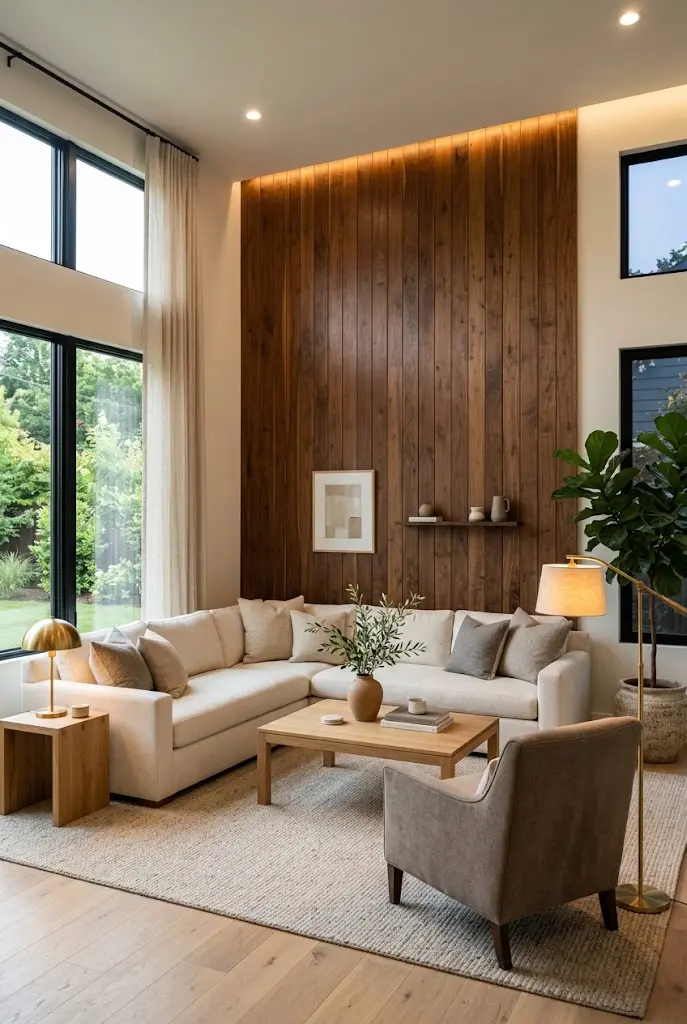
One of the safest ways to make decorative wood paneling feel timeless is to surround it with neutral furniture. Cream, beige, taupe, gray, and natural fabrics allow the wood to remain the main source of warmth and texture. Choose a panel design that is simple enough to survive changing trends, such as clean vertical slats or classic flat panels. Avoid overly complicated patterns if longevity is your priority. Add character through removable elements such as pillows, throws, artwork, and plants. This makes it easy to refresh the room without replacing the permanent wall treatment. Natural wood also works well with different decorating styles as your preferences evolve. A neutral foundation gives you freedom to introduce seasonal colors later. Soft layered lighting can make the wood feel warm during the evening. The overall result is comfortable, adaptable, and elegant. For homeowners seeking an investment-style design, this balance is difficult to beat.