
21 Rental Decor Ideas That Make Any Space Feel Like Home
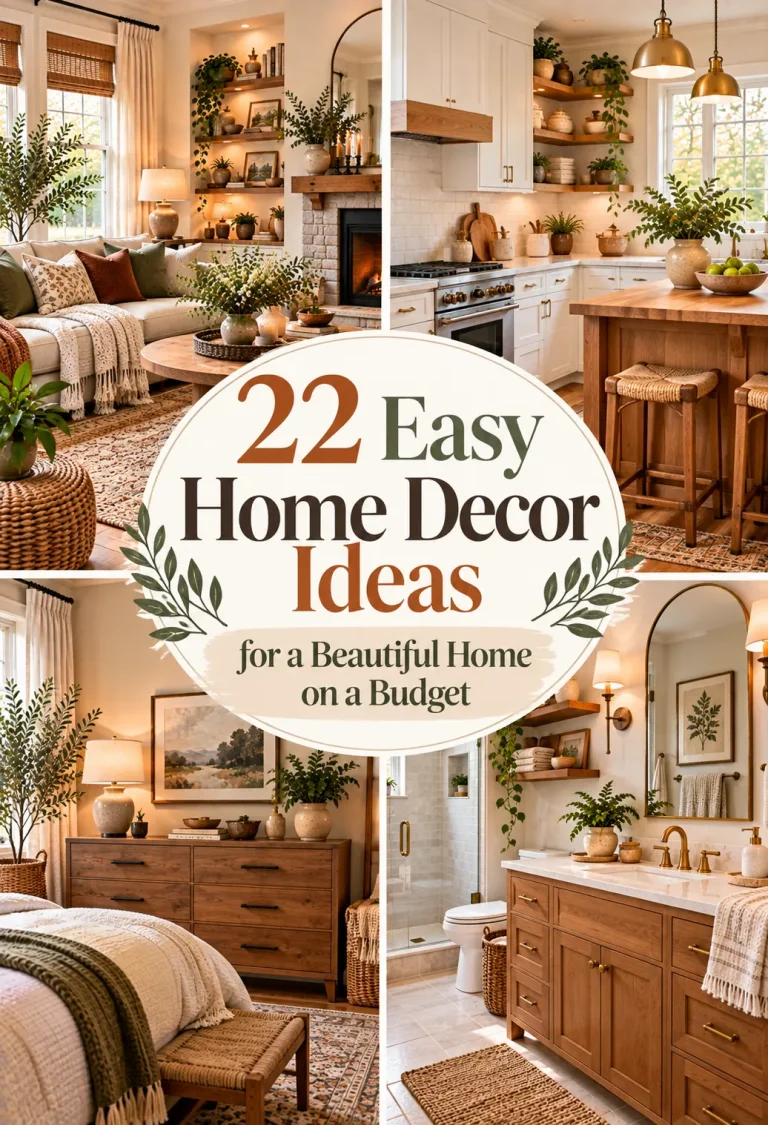
Renting a home doesn’t mean you have to settle for plain walls, basic fixtures, or rooms that feel like someone else’s space. With a few thoughtful decorating choices, you can turn an ordinary apartment, condo, or rental house into a comfortable home that reflects your personality without making permanent changes.
The best rental decor ideas focus on details that are easy to update, move, or take with you when your lease ends. Think removable wallpaper, layered lighting, attractive storage, cozy textiles, and artwork that brings character to otherwise empty walls. Even small changes can make a noticeable difference when the colors, textures, and furniture work together.
Whether you’re decorating your first apartment or refreshing a rental you’ve lived in for years, these 21 ideas offer inspiration for different budgets, room sizes, and personal styles. You’ll also find practical ways to protect your security deposit while creating a space that feels welcoming, intentional, and uniquely yours.
1. Transform Plain Walls With Removable Wallpaper
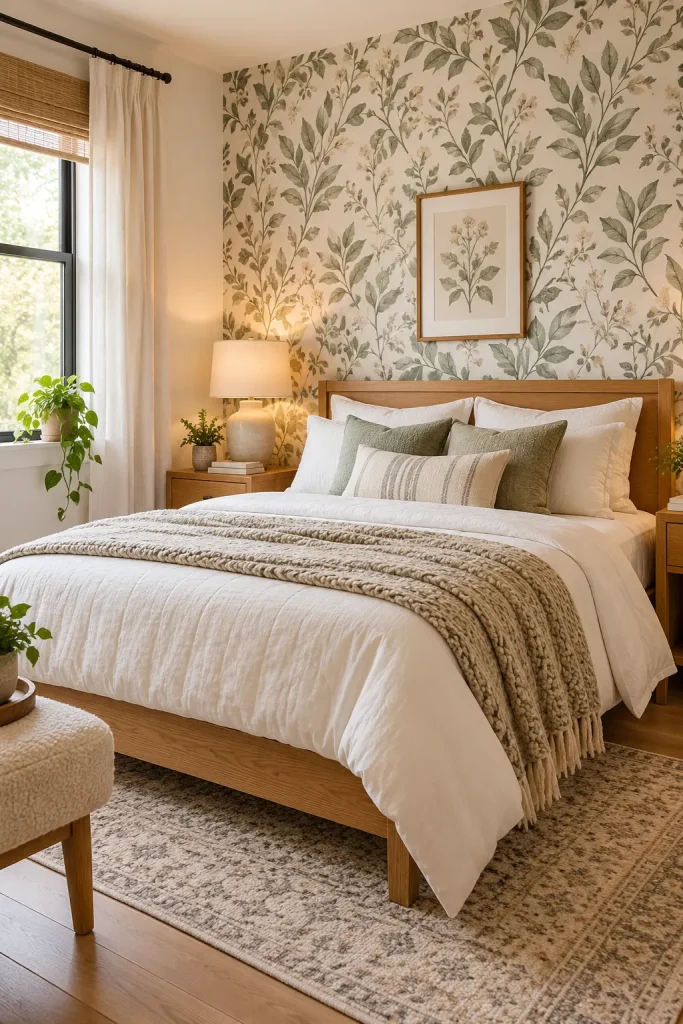
Plain white walls can make a rental feel unfinished, especially when the room has little architectural character. Removable wallpaper offers a way to introduce color, pattern, and personality without committing to a permanent wall treatment.
For a calm, natural look, consider soft botanical prints, subtle linen-inspired patterns, delicate stripes, or warm neutral designs. If you prefer something bolder, a muted terracotta pattern or deep olive-green accent wall can give a living room or bedroom more definition.
Where to use it:
- Behind the bed to create a focal point.
- On a small entryway wall to make the entrance more memorable.
- Behind a desk to define a home office.
- In a dining nook to distinguish it from an open-plan living area.
Before applying wallpaper, check your lease and test the product in an inconspicuous area. Removable wallpaper can still damage certain paints or finishes, particularly if the wall is poorly prepared or the product isn’t compatible with the surface.
2. Layer Warm Lighting for a Cozier Atmosphere
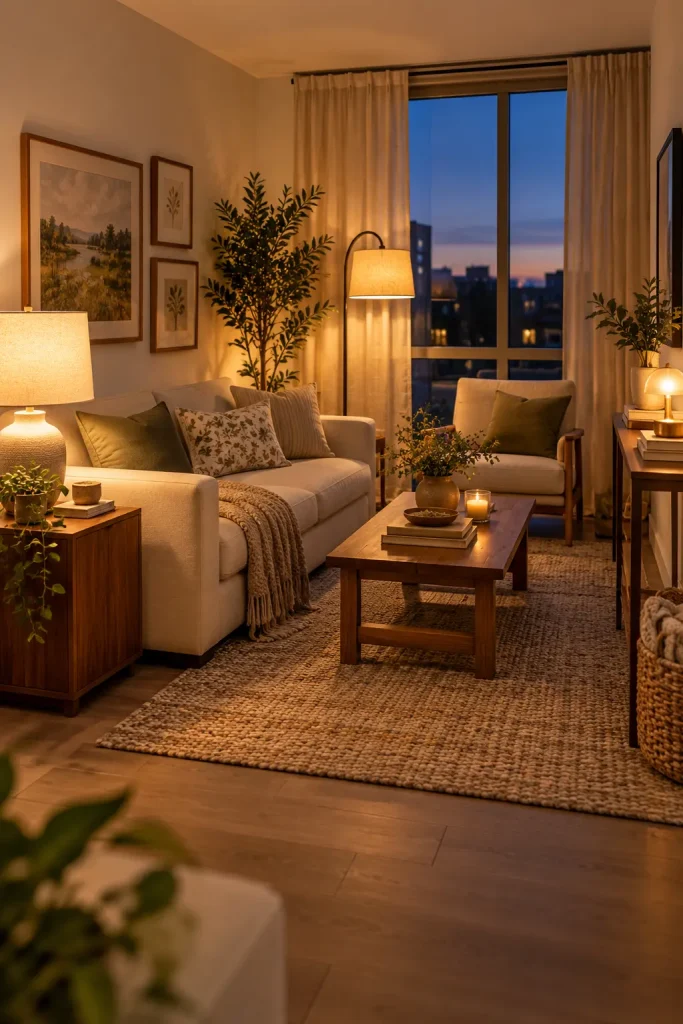
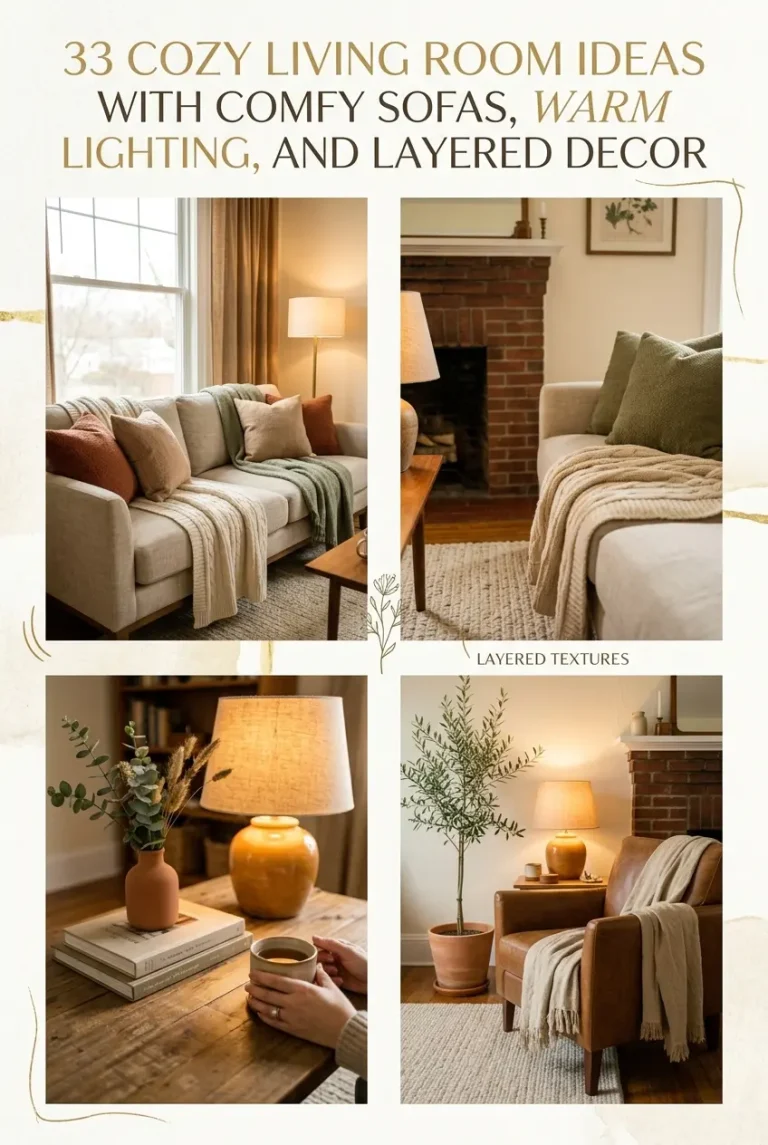
Basic overhead lighting can make a rental feel stark, especially in the evening. Adding several smaller light sources creates a softer atmosphere and makes the room feel more thoughtfully decorated.
Instead of relying on one bright ceiling fixture, combine a table lamp, a floor lamp, and a small accent light. Warm-white bulbs can help create a relaxed atmosphere in living rooms and bedrooms, while adjustable task lighting is useful for reading, working, or cooking.
Try this combination in a small living room:
- Ambient lighting: A floor lamp near the sofa.
- Task lighting: A reading lamp beside your favorite chair.
- Accent lighting: A small lamp on a console or side table.
Choose lamps with ceramic, fabric, wood, or understated metal finishes that complement your existing furniture.
Quick Tip: Plug-in wall sconces can provide the appearance of layered architectural lighting without hardwiring. Use only mounting methods appropriate for your walls, and keep cords safely secured and away from walkways.
3. Create a Gallery Wall Without Permanent Damage
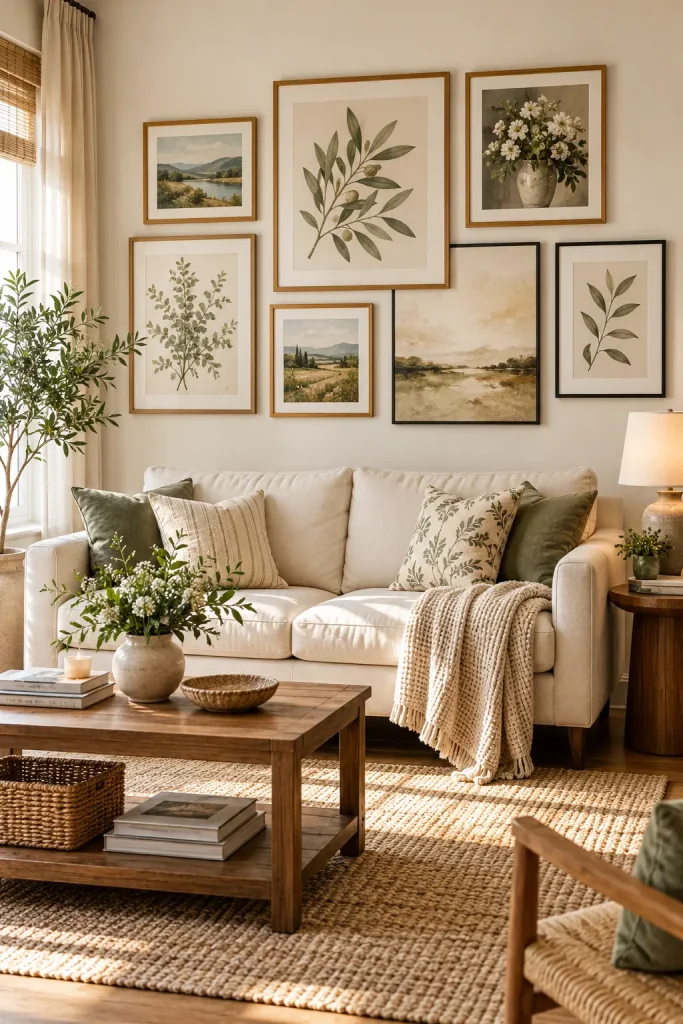
Artwork gives a rental personality, but you may not want to fill the walls with nail holes. A gallery wall made with compatible removable picture-hanging strips can be an attractive alternative when your lease or landlord restricts drilling.
Start by choosing a loose theme rather than buying unrelated prints. Botanical illustrations, abstract artwork, architectural sketches, and landscape photography can work together when they share a similar color palette.
For a cohesive arrangement:
- Select five to seven pieces in different sizes.
- Arrange them on the floor before hanging anything.
- Keep the spacing reasonably consistent.
- Use a mixture of portrait and landscape orientations.
- Repeat two or three colors throughout the collection.
Natural oak frames work beautifully with warm neutral interiors, while slim black frames give the arrangement a more contemporary appearance.
Check the hanging product’s weight limits and surface requirements. Always follow the removal instructions, and remember that even adhesive products can damage delicate paint or wallpaper.
4. Use Area Rugs to Define Different Spaces
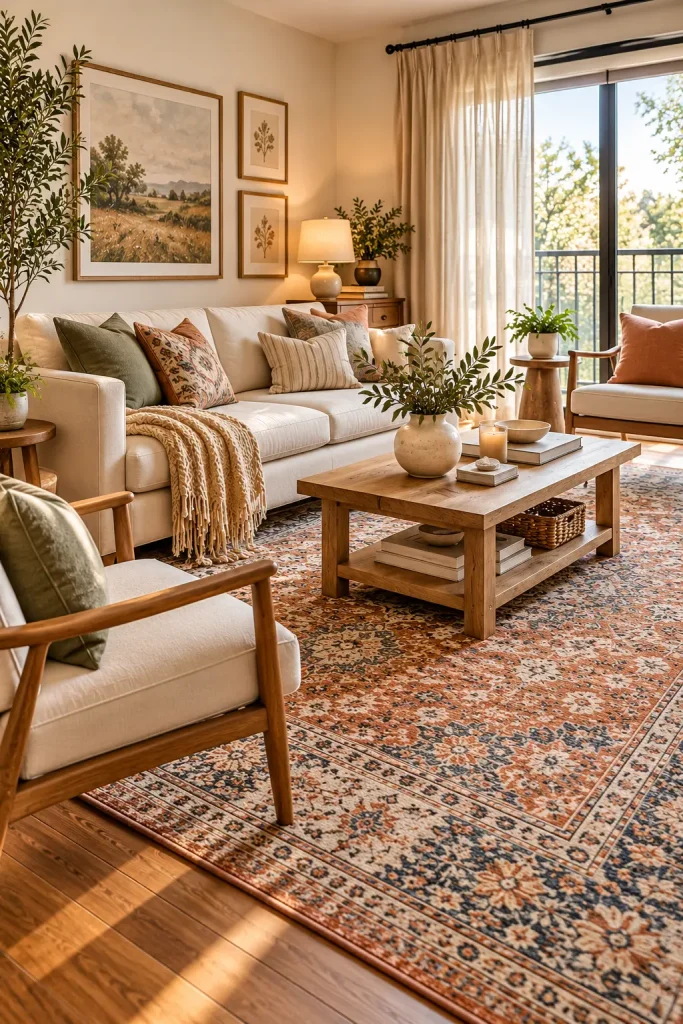
An area rug can make a rental feel more finished by adding softness, color, and visual structure. It’s especially useful when you’re dealing with plain flooring, mismatched surfaces, or an open-plan layout.
In a small living room, position the rug so the front legs of the sofa and chairs sit on it. This helps connect the furniture instead of making each piece appear separate.
If your apartment combines the living and dining areas, two distinct rugs can help establish separate zones without building walls.
Consider these options:
| Rug Style | Visual Effect | Best Use |
|---|---|---|
| Flatweave | Light and understated | Busy living areas |
| Vintage-inspired pattern | Adds color and character | Neutral rooms |
| Textured wool or wool-blend look | Creates warmth and depth | Living rooms and bedrooms |
| Natural-fiber style | Adds an organic element | Casual, relaxed interiors |
Use an appropriate rug pad to help keep the rug in place and protect the flooring. In kitchens and entryways, choose materials that are practical for the amount of dirt and moisture the area receives.
5. Decorate With Curtains That Add Height and Softness
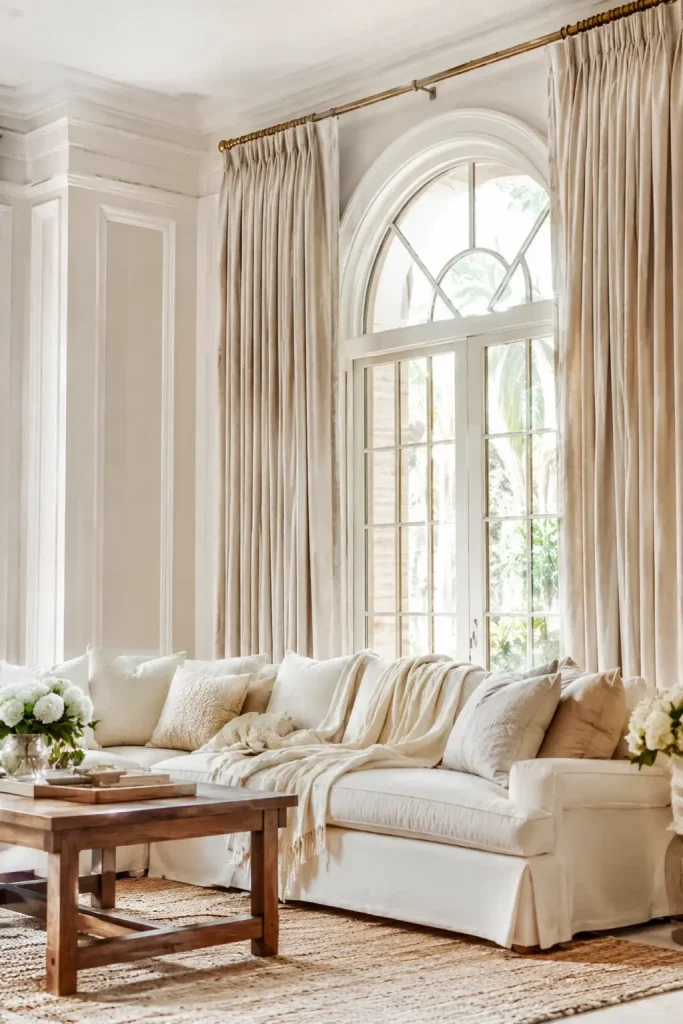
Window treatments can change the entire feeling of a room. Floor-length curtains soften hard edges, introduce texture, and help a rental feel more like a finished home.
For a light, airy look, choose ivory, oatmeal, or soft white curtains in a linen or linen-look fabric. If your room needs more color, muted sage, dusty blue, or warm taupe can create interest without overwhelming the space.
When permitted, mounting the curtain rod higher than the window frame can make the ceiling appear taller. Wider placement can also help the window feel more substantial while allowing the curtains to sit mostly outside the glass when open.
If drilling isn’t allowed, explore compatible tension rods or removable curtain-mounting systems designed for your particular window and wall type.
Common Mistake: Choosing curtains that stop awkwardly above the floor can make a room feel visually unfinished. Measure carefully before ordering, and allow for the actual rod placement and curtain style.
6. Bring in Plants for a Fresh, Lived-In Look
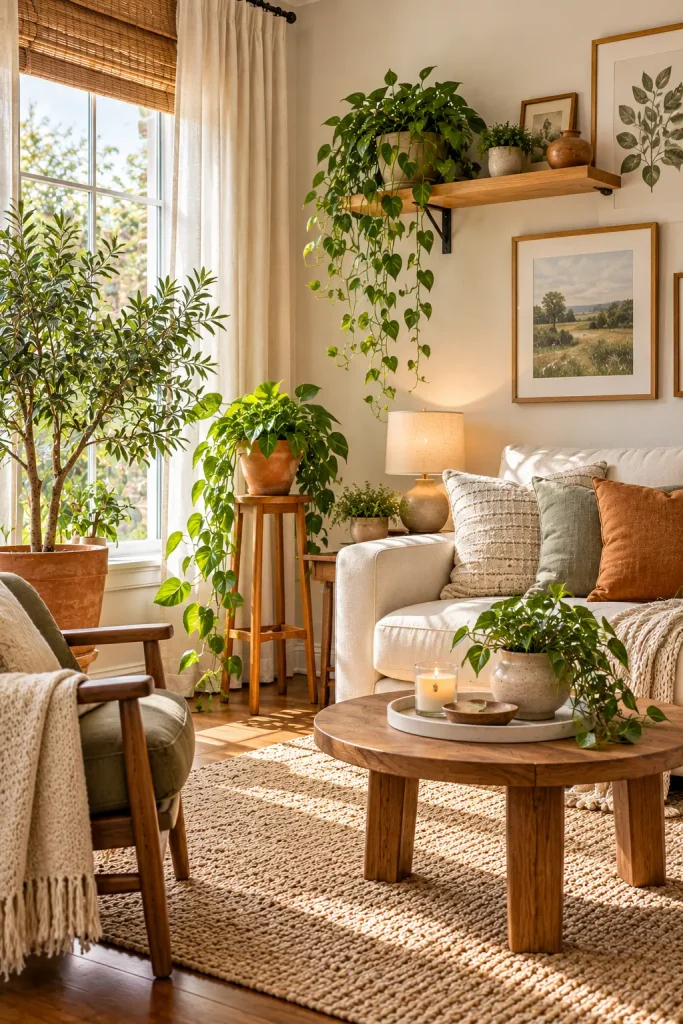
Plants introduce organic shapes and natural color that can make a rental feel more welcoming. They also help soften the straight lines of shelves, sofas, cabinets, and window frames.
You don’t need a large collection to create an attractive arrangement. Start with one medium-sized floor plant, a smaller plant on a side table, and a trailing plant on a shelf.
For a cohesive display, coordinate your containers. Terracotta, matte ceramic, woven baskets with suitable inner pots, and simple stone-colored planters work well in many decorating styles.
Before choosing plants, consider the amount of natural light available. A bright window may suit different varieties than a shaded corner, so select plants according to their actual growing requirements.
Try this arrangement:
- Place a taller plant near a bright window.
- Use a compact plant to soften an empty tabletop.
- Position a trailing plant on a stable shelf.
- Leave enough space for watering and maintenance.
Protect the floor and furniture from excess water, and check plant safety if you have pets or young children.
7. Make a Rental Kitchen Feel Personal With Removable Details
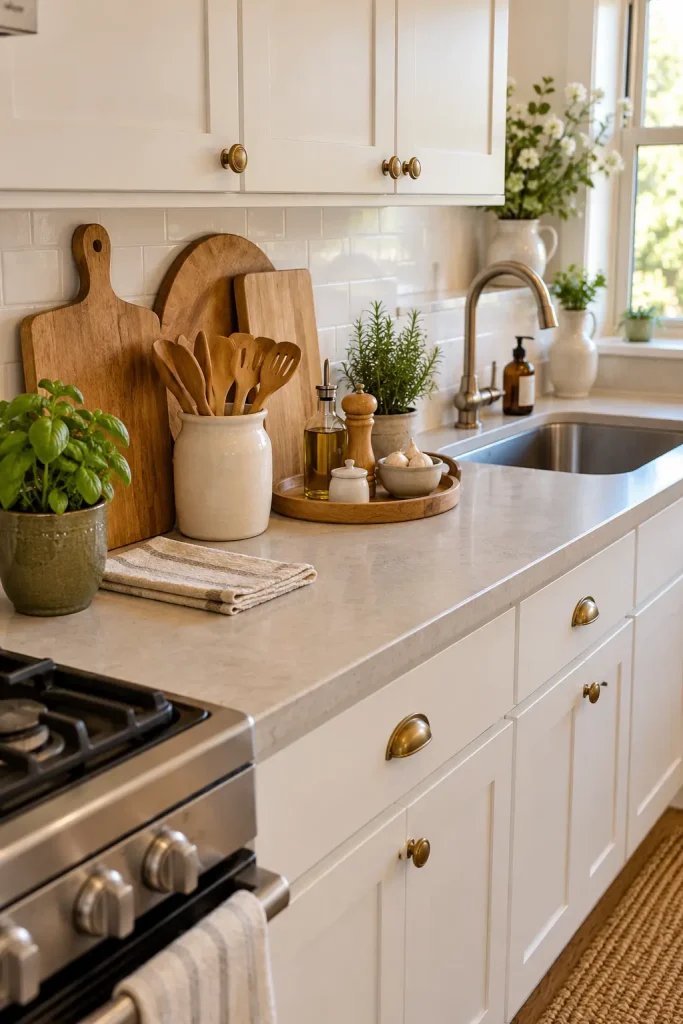
Rental kitchens often come with standard cabinets, basic countertops, and little decorative character. Fortunately, a few carefully chosen accessories can make the room feel warmer without requiring a renovation.
Keep the work surfaces practical. Rather than filling every available inch, create one or two attractive arrangements using objects that are useful as well as decorative.
For example, group wooden cutting boards against the backsplash, place frequently used utensils in a ceramic crock, and add a small tray for cooking oil and salt. A compact herb pot can introduce a fresh green accent if the kitchen has enough light.
If your lease permits removable changes, consider compatible peel-and-stick backsplash products or removable cabinet accents. Check the manufacturer’s surface requirements and test carefully before applying anything.
8. Upgrade Cabinet Hardware When Your Lease Allows
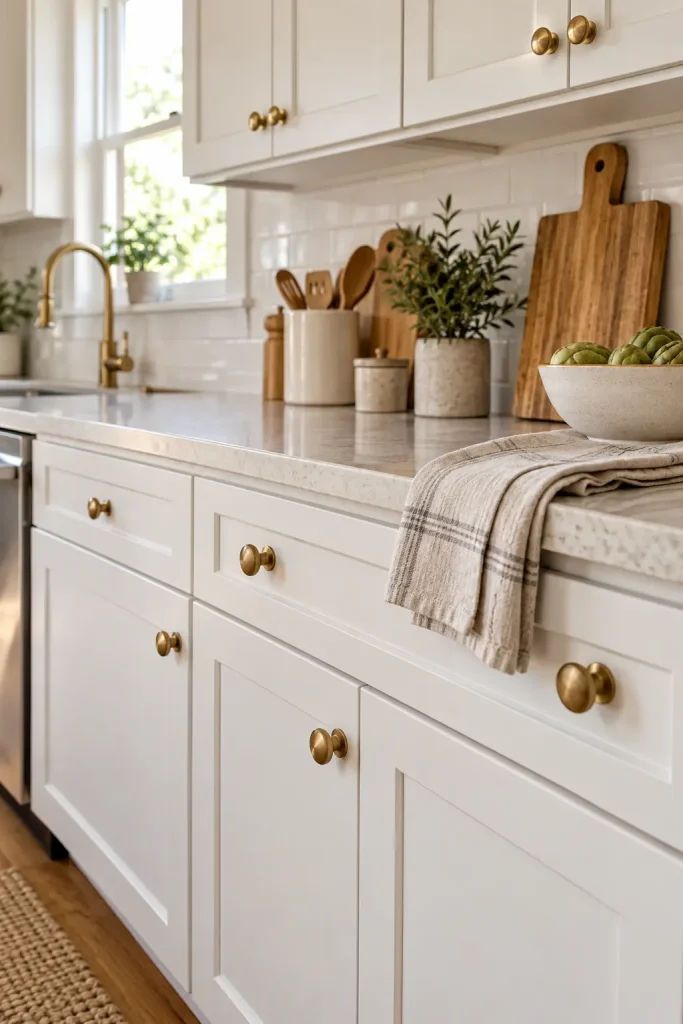
Cabinet knobs and drawer pulls may seem like minor details, but they can influence the overall appearance of a kitchen, bathroom, or bedroom dresser.
If your lease permits hardware changes, replacing basic knobs with a more coordinated finish can make existing cabinetry feel more intentional. Brushed brass adds warmth, matte black creates contrast, and brushed nickel offers a restrained contemporary look.
Before purchasing new hardware, measure the existing fittings. Cabinet knobs usually require a single hole, while pulls may use two screw holes with a specific center-to-center measurement.
Keep the original hardware in a labeled bag so you can reinstall it when you move out.
If you’re not permitted to replace hardware, try styling the surrounding area instead. A coordinated soap dispenser, attractive countertop tray, or neatly arranged accessories can refresh the overall appearance without altering the cabinets.
9. Add Floating-Look Shelves Without Major Installation
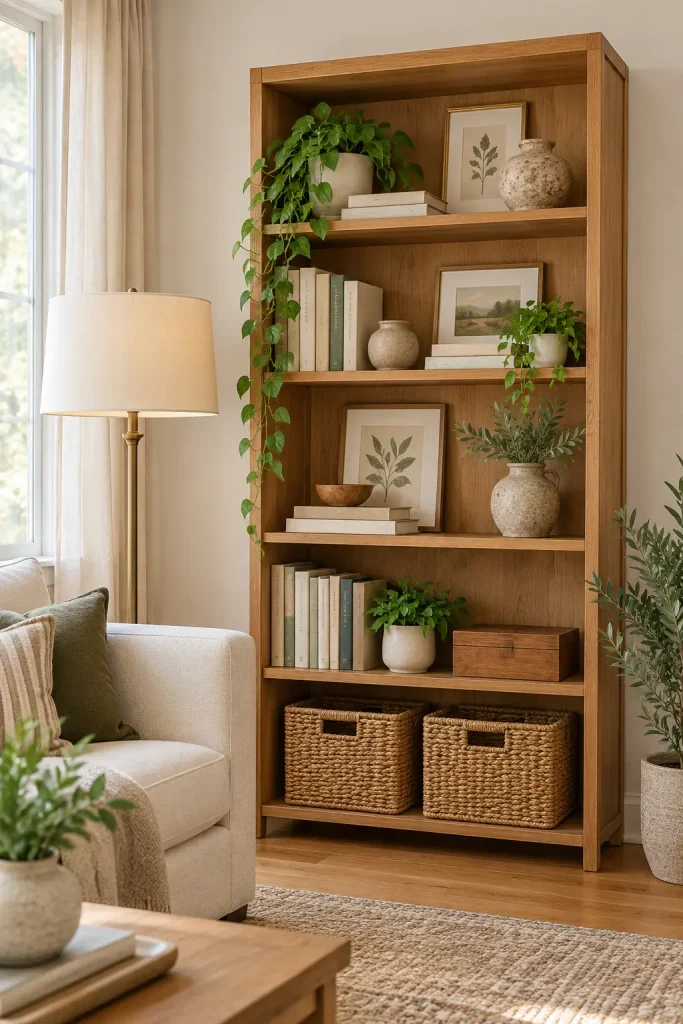
Open shelving gives you room to display books, framed prints, plants, and meaningful objects. In a rental, a freestanding bookcase or narrow etagere can create a similar visual effect without requiring permanent wall installation.
Choose shelving that suits the scale of your room. A slim oak bookcase works well beside a sofa, while a narrow metal-and-wood shelf can add storage to a home office or bedroom.
To avoid a cluttered appearance, combine practical storage with a few decorative pieces.
A balanced shelf might include:
- A short stack of books.
- A small framed photograph.
- A ceramic vase.
- One trailing or compact plant.
- A lidded basket for smaller belongings.
Leave some open space between objects so the display feels intentional. If you choose a tall bookcase, follow the manufacturer’s stability and anchoring instructions. Where wall anchoring is necessary for safety, discuss an appropriate installation with your landlord rather than skipping it.
10. Use a Large Mirror to Brighten the Room
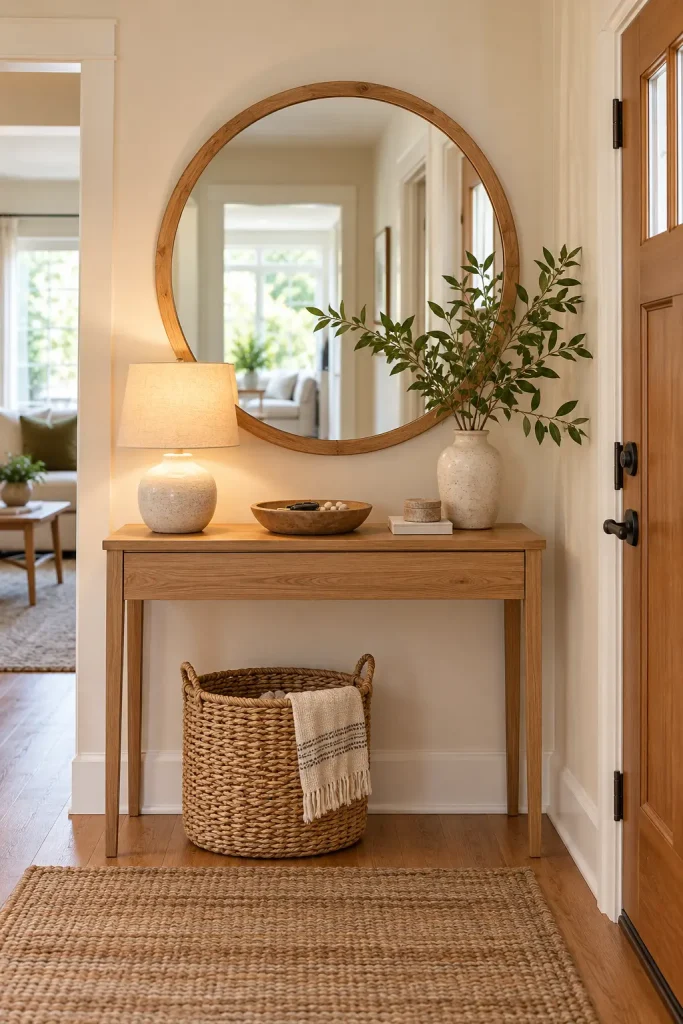
Mirrors can reflect daylight and create a greater sense of visual depth. They’re particularly helpful in apartments with limited windows, narrow hallways, or compact living areas.
A large leaning mirror with a slim wood frame can make a bedroom or living room feel more finished. In an entryway, a round mirror above a narrow console creates a welcoming focal point and gives you a convenient place to check your appearance before leaving home.
For the best effect, pay attention to what the mirror reflects. Positioning it opposite a window may help distribute natural light, while reflecting a cluttered corner can make that area more noticeable.
Rental-friendly options include:
- A freestanding full-length mirror.
- A tabletop mirror on a dresser.
- A lightweight mirror installed with an approved mounting system.
- A mirror placed on a stable console, provided it can be secured safely.
Large or heavy mirrors should be installed according to the manufacturer’s safety instructions. Don’t rely on an unsuitable adhesive or an unstable leaning arrangement.
11. Create a Cozy Bedroom With Layered Bedding
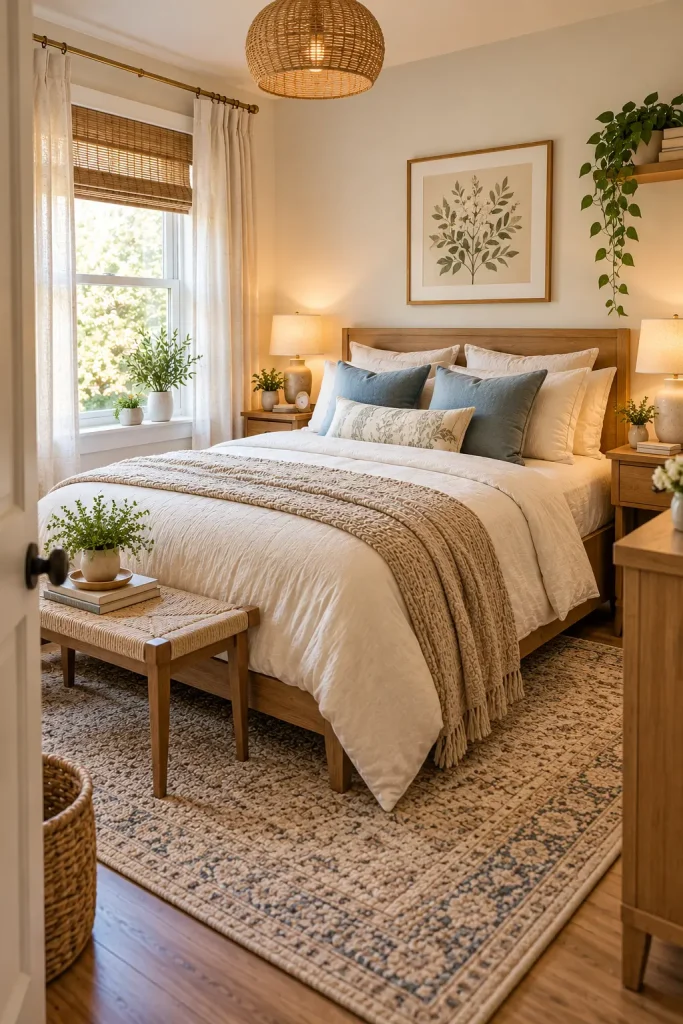
Your bedroom should feel like a retreat, even if it’s small or has plain walls and standard rental furniture. Layered bedding is one of the simplest ways to add softness and personality without making permanent changes.
Begin with a comfortable-looking foundation of white, cream, or pale neutral bedding. Add a textured duvet, a folded throw, and a small number of accent pillows in complementary colors.
For a relaxed palette, combine ivory, oatmeal, and muted blue. If you prefer a warmer appearance, try cream, caramel, and terracotta.
Pay attention to proportion. Too many pillows can make a small bed feel crowded, while a throw folded neatly across the foot of the bed adds texture without taking over the room.
Finish the space with a bedside lamp, a washable rug where practical, and one or two pieces of artwork.
12. Make the Entryway More Functional With a Small Drop Zone
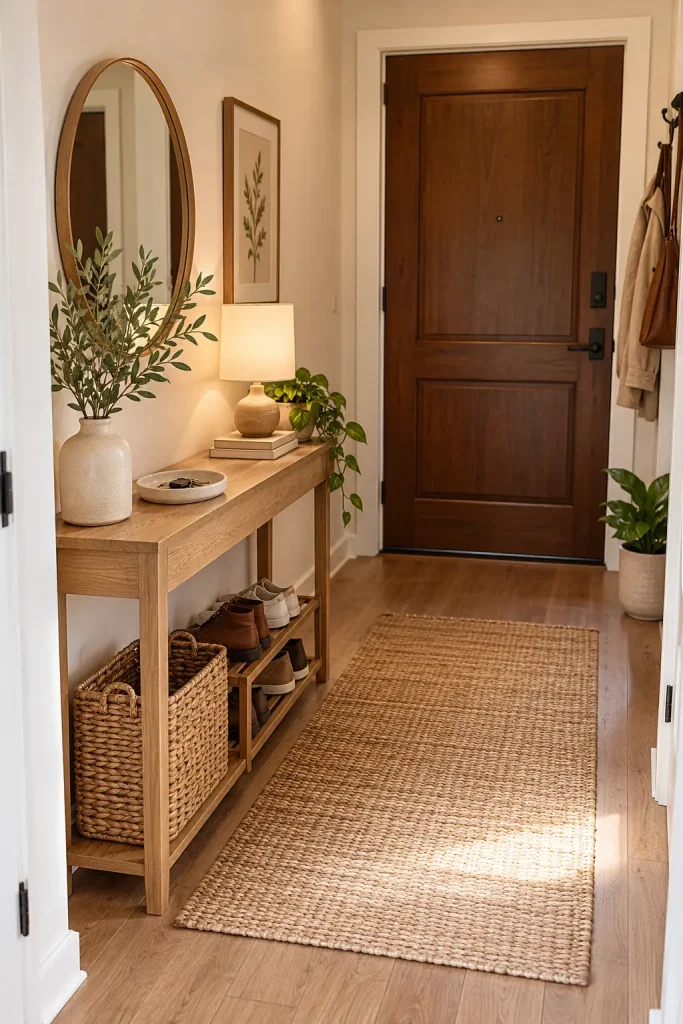
A rental can feel more like home when everyday routines have a dedicated place. An entryway drop zone keeps keys, mail, bags, and shoes from spreading into the living room.
You don’t need a separate mudroom to make it work. A narrow console, small bench, or compact shelving unit can provide enough organization for a modest apartment entrance.
Choose furniture according to the available floor space. In a narrow hallway, a shallow console may be more practical than a deep cabinet. In a wider entrance, a small bench with baskets underneath can combine seating and storage.
A simple entryway setup:
- Place a tray on a console for keys and small essentials.
- Add a basket for reusable shopping bags or accessories.
- Use a shoe rack or lidded basket to contain footwear.
- Include a mirror or small artwork to make the area feel finished.
If you want wall hooks, use an approved installation method and respect the landlord’s restrictions. Keep the walking path clear, particularly around doors and stairs.
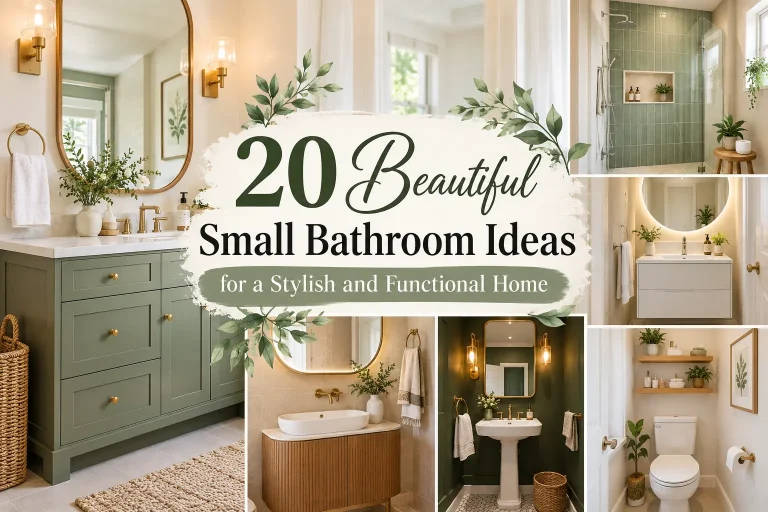
13. Personalize the Bathroom With Coordinated Accessories
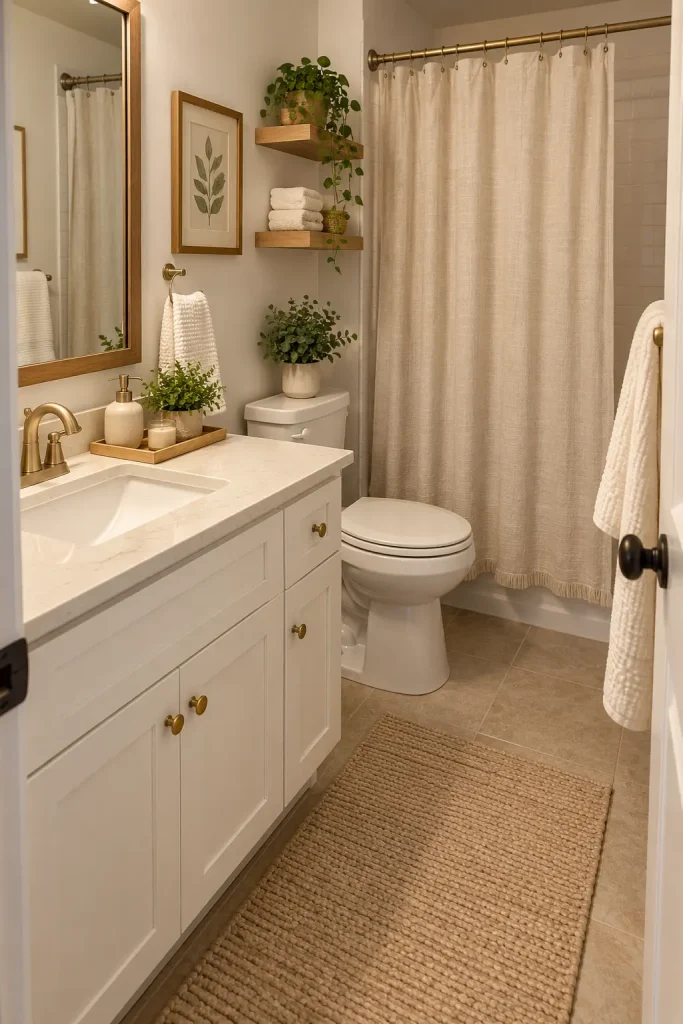
A rental bathroom may have basic fixtures and limited counter space, but coordinated accessories can help it feel cleaner and more personal.
Start with a consistent color palette. White towels, warm beige bath mats, and simple ceramic containers work well in a neutral bathroom. For more contrast, introduce muted green, dusty blue, or charcoal through towels and small accessories.
Useful additions include:
- A coordinated soap dispenser and toothbrush holder.
- A washable bath mat suited to the floor.
- A small tray for daily skincare products.
- A compact organizer for under-sink storage.
- Fresh towels folded neatly on an open shelf.
If you have a small vanity, avoid covering the countertop with decorative objects. Keep everyday essentials accessible and move occasional-use products into a drawer or storage basket.
You can also use a shower curtain to introduce a subtle pattern or a stronger color without altering the permanent fixtures.
14. Give Old Furniture New Life With Removable Details
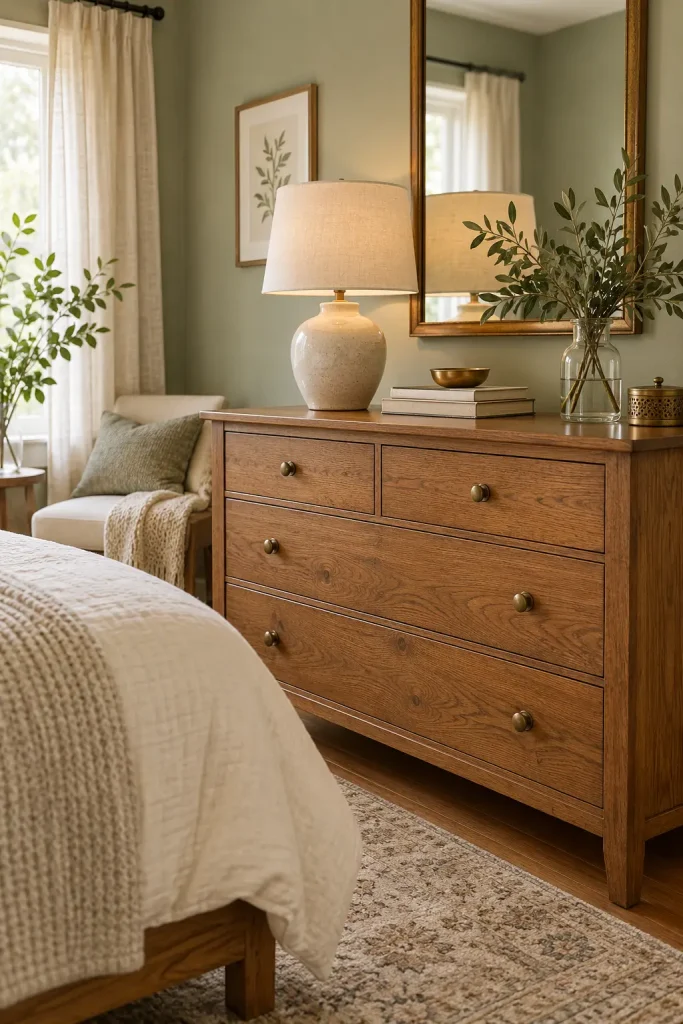
You don’t have to buy a matching furniture set to make a rental look coordinated. A secondhand dresser, an existing bedside table, or a simple hand-me-down cabinet can become part of the design with thoughtful styling.
Start by cleaning the furniture and assessing its condition. Sometimes the best improvement is simply removing clutter and choosing a better arrangement for the objects on top.
If the furniture belongs to you, compatible removable contact paper can be an option for refreshing a flat surface. However, test it first, especially on delicate finishes, veneer, or older furniture. Adhesive products may leave residue or cause damage.
For an easier update, style the furniture with:
- A ceramic lamp.
- A small stack of books.
- A decorative tray.
- A framed photograph.
- A compact vase or plant.
The key is to create a relationship between the furniture and the rest of the room through repeated colors, materials, and textures.
15. Use Baskets to Hide Everyday Clutter
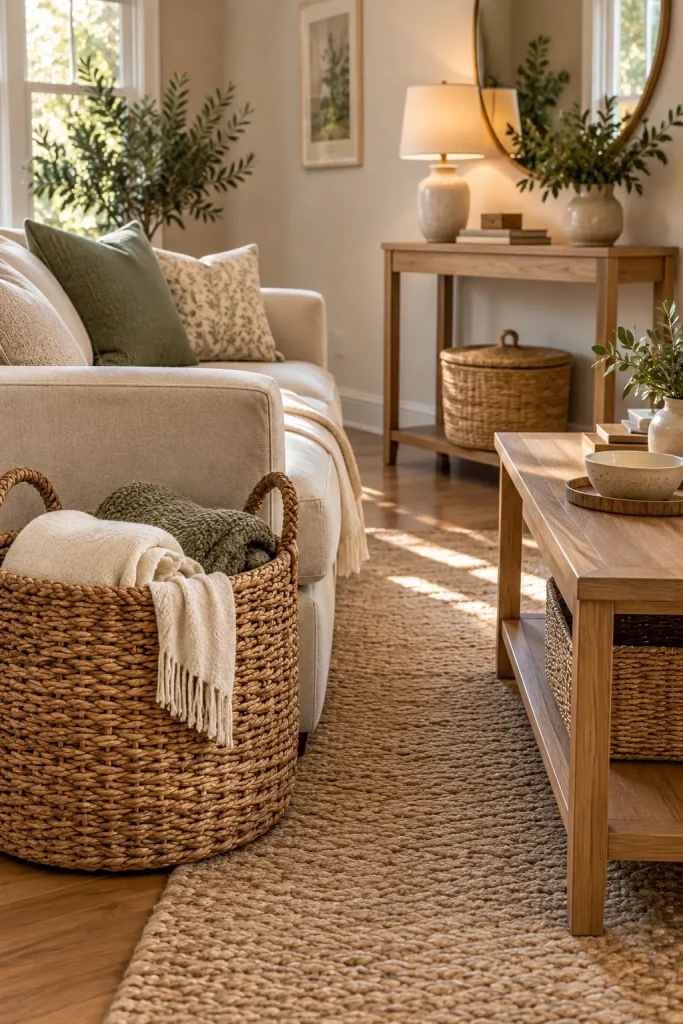
Storage doesn’t have to be hidden behind cabinet doors to look attractive. Woven baskets can keep everyday belongings organized while adding natural texture to a rental.
Use a larger basket beside the sofa for throw blankets, a smaller one beneath a console for accessories, or matching baskets on open shelving for items you don’t want on display.
Baskets work particularly well when the rest of the room includes natural materials such as wood, linen, cotton, or ceramic.
Choose shapes and sizes according to what you need to store. A deep basket can hold bulky blankets, while shallow baskets are more practical for smaller items on shelves.
A practical rule: Give each basket a clear purpose. When storage containers are assigned to specific belongings, it’s easier to maintain an organized room instead of simply moving clutter from one place to another.
16. Create a Reading Corner in an Unused Space
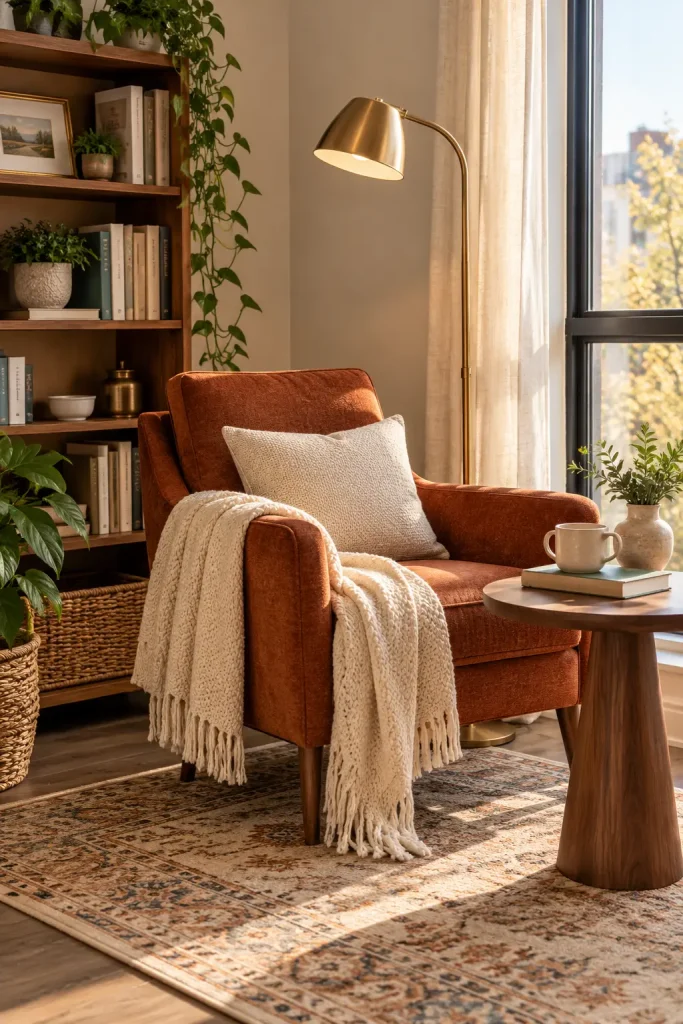
Even a small rental can have a quiet corner dedicated to reading, relaxing, or enjoying your morning coffee. You don’t need a separate room; an unused corner near a window can be enough.
Start with a comfortable accent chair that fits the available space. Add a small side table for a book or mug and a floor lamp for evenings. A soft cushion or throw blanket makes the arrangement feel inviting without requiring much decoration.
If you have limited floor space, consider a compact armless chair or a small upholstered chair with visible legs. These designs can make a corner feel less crowded than a bulky recliner.
What makes a reading nook work?
- A comfortable seat with enough room to get in and out easily.
- Lighting suitable for reading.
- A nearby surface for everyday essentials.
- A small basket or shelf for books.
- A rug that visually connects the furniture, if space permits.
Keep the arrangement away from door swings and main walking paths. In a studio apartment, a reading corner can also help distinguish the relaxation area from the sleeping or working zone.
17. Add Color With Throw Pillows and Blankets
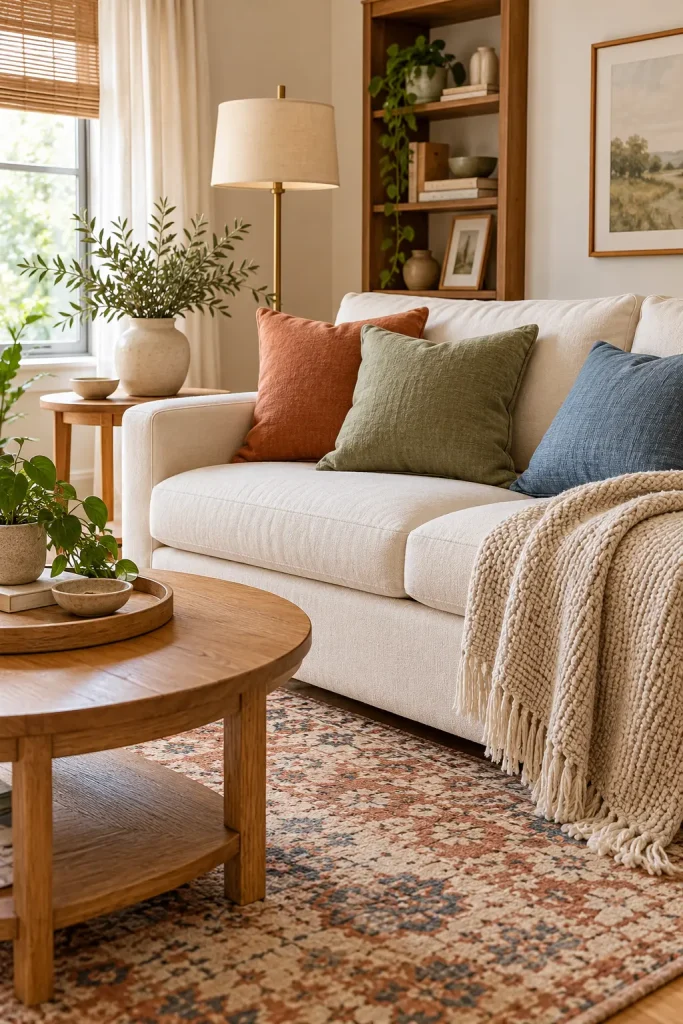
If you’re not allowed to paint the walls or replace the furniture, textiles offer an easy way to introduce color. Throw pillows and blankets can make a basic rental sofa feel more personal without requiring permanent changes.
Begin with two or three complementary colors rather than buying cushions in every shade you like. For example, terracotta, muted blue, and ivory create a relaxed combination, while olive green, oatmeal, and caramel produce a warmer, nature-inspired palette.
Mixing textures also makes the arrangement more interesting. Pair a plain cotton cushion with a woven pillow, a subtle patterned cover, or a soft velvet accent.
For a small sofa, a few carefully chosen pillows usually look better than a crowded collection.
Quick Tip: Repeat at least one accent color elsewhere in the room, perhaps in artwork, a vase, or a throw blanket. This creates a visual connection between otherwise separate decorative elements.
18. Use Removable Window Film for Privacy
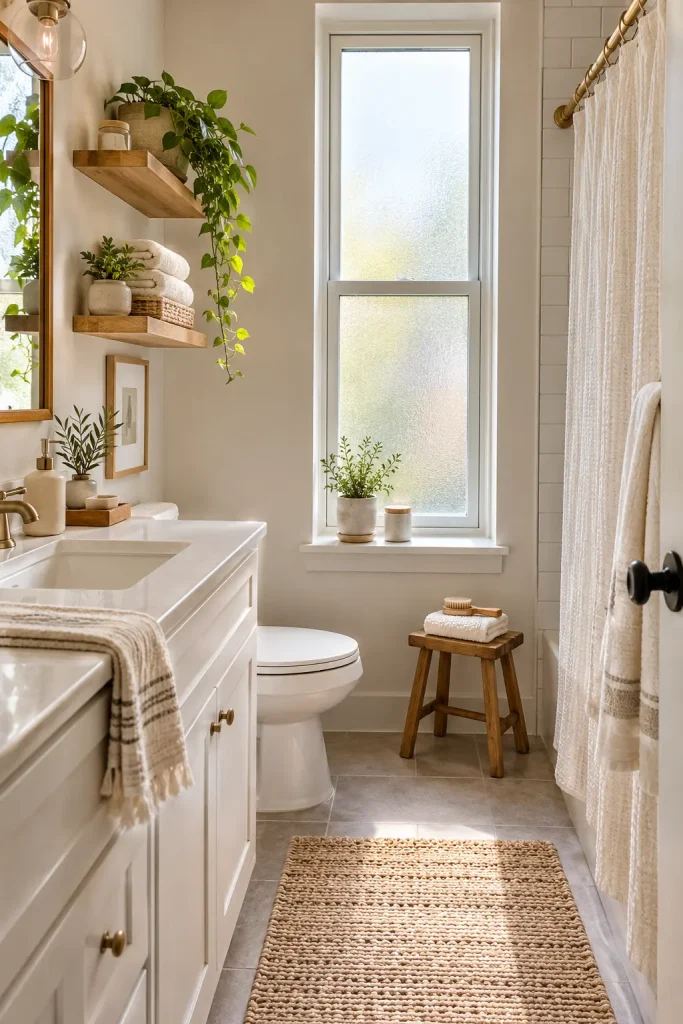
Windows facing a neighboring building, sidewalk, or shared courtyard can make a rental feel less private. Depending on the window and lease restrictions, removable privacy film may offer a practical solution.
Frosted film is useful in bathrooms and ground-floor spaces where you want to diffuse views without completely blocking daylight. Subtle textured or patterned films can also add a decorative element to an otherwise ordinary window.
Before choosing a product, consider how much privacy you need and whether the film is suitable for your particular glass. Some products are designed for specific glass types, and inappropriate film can create thermal stress or damage certain windows.
For a simple installation:
- Clean the glass according to the product instructions.
- Measure the window carefully.
- Apply the film using the recommended method.
- Smooth out air bubbles as directed.
- Check the finished edges and confirm that the window still operates correctly.
Always verify that the product is appropriate for the glass and permitted under your lease.
19. Decorate With Meaningful Personal Objects
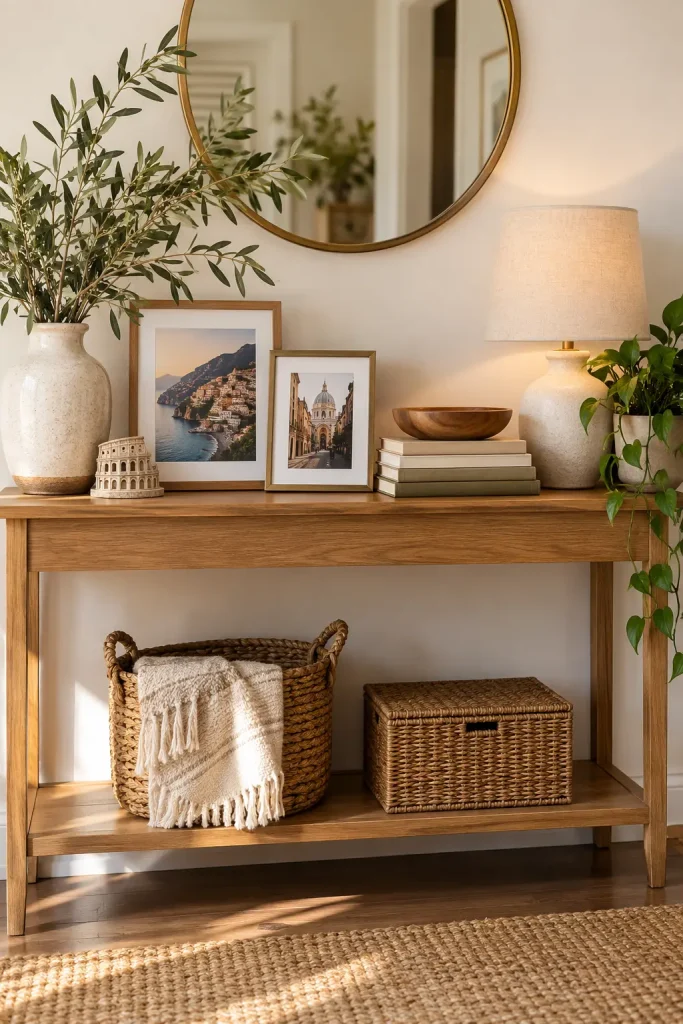
A rental starts feeling like home when it reflects the people who live there. Personal objects add character that coordinated furniture alone cannot provide.
Display framed photographs, souvenirs from memorable trips, favorite books, inherited ceramics, or small collections that have meaning to you. These items don’t need to match perfectly. They simply need enough visual connection to work together in the room.
A console table, bookshelf, or bedroom dresser provides a natural place to arrange a small collection.
For a balanced display, combine objects of different heights and shapes. A framed photograph can sit beside a small vase, while a stack of books creates a lower platform for another decorative object.
Try to avoid displaying everything at once. Rotating a few favorite pieces throughout the year keeps the space fresh without requiring new purchases.
20. Create a Dining Area With a Small Table and Thoughtful Styling
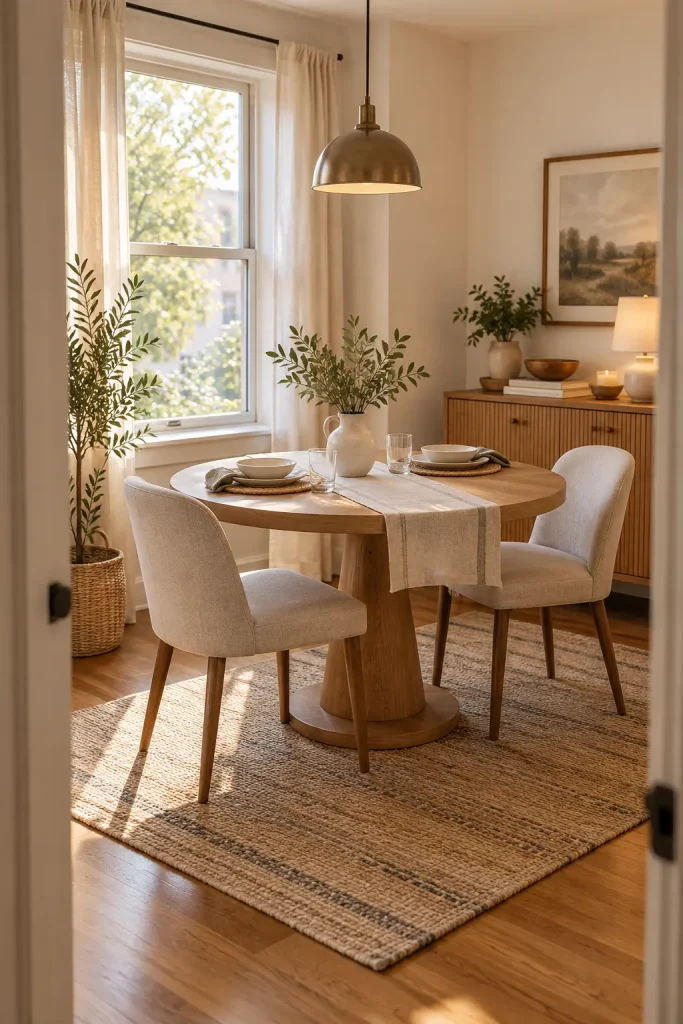
Not every rental has a separate dining room. In a small apartment, a compact dining area can be created in a kitchen corner, beside a window, or at the edge of an open-plan living room.
A round table can be useful where space is tight because it avoids sharp corners and makes it easier to move around the seating area. A narrow rectangular table may work better against a wall or in a long dining nook.
Choose furniture that suits your everyday needs rather than buying a table that’s too large for the room.
A few styling details can make the area feel intentional:
- A simple linen runner or small placemats.
- A ceramic vase with seasonal greenery.
- Coordinated dining chairs or a thoughtfully mixed set.
- A compact table lamp or permitted plug-in lighting nearby.
- A washable rug, provided it doesn’t interfere with chair movement.
If the dining area shares space with the living room, repeat one or two colors from the sofa or nearby artwork. This helps the different zones feel connected without making everything look identical.
21. Style Your Balcony or Patio as an Outdoor Living Room
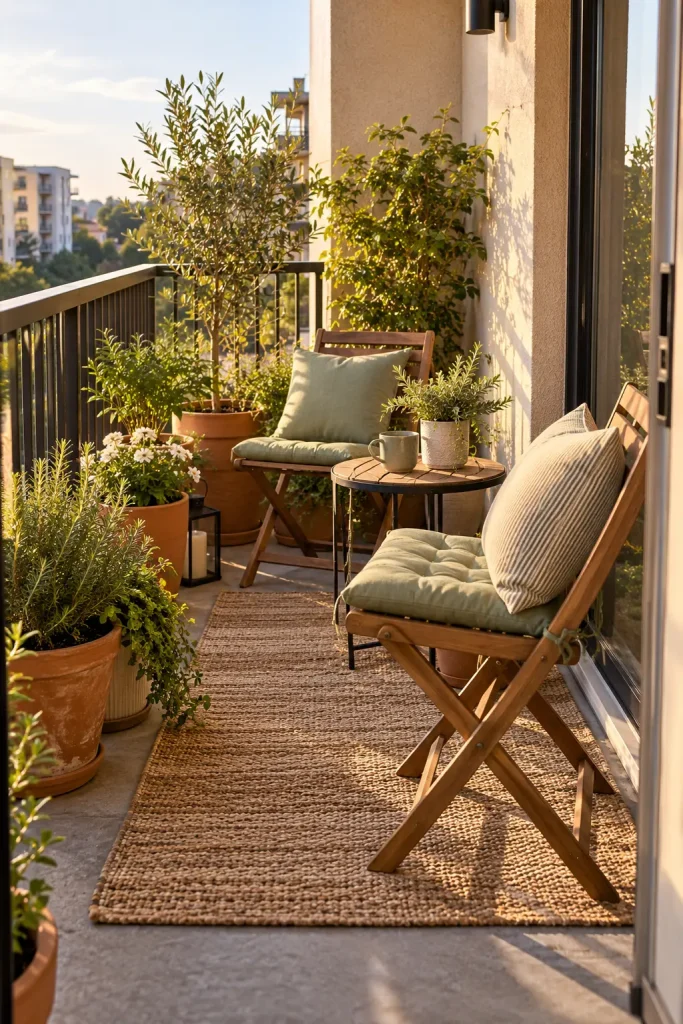
If your rental includes a balcony, patio, or small outdoor landing, treat it as an extension of your living space. Even a modest outdoor area can become a comfortable place to read, enjoy breakfast, or unwind at the end of the day.
Start by measuring the available space. A pair of compact folding chairs and a small side table may be more practical than a full outdoor furniture set. For a narrow balcony, choose furniture that preserves access to doors and doesn’t obstruct required exits.
Introduce softness with outdoor cushions and a suitable outdoor rug. Add plants in containers that fit the available sunlight and can be managed without creating drainage problems.
Ideas for a more inviting outdoor space:
- Use weather-appropriate cushions in a coordinated color palette.
- Add a small table for drinks and books.
- Arrange potted plants at different heights.
- Choose a lightweight outdoor rug suitable for the surface.
- Use approved portable lighting for evening ambiance.
Check your lease and building rules before hanging anything from railings, attaching lights, or installing planters. Make sure all furniture and containers remain stable in windy conditions.